
- Key Takeaways
- 1. A Strong Structure Is the Foundation of a Quality Patio Cover
- 2. Wind Resistance Is Essential for Louisiana Homes
- 3. A Well-Designed Drainage System Makes a Big Difference
- 4. Choose Materials That Are Easy to Maintain
- 5. Select a Finish That Complements Your Home
- 6. Built-In Lighting Lets You Enjoy Your Patio After Sunset
- 7. Long-Term Durability Gives You the Best Value
- Conclusion
- Frequently Asked Questions
- How do I choose the right patio cover for my home?
- What materials require the least maintenance?
- Why is wind resistance important in Louisiana?
- Does drainage really make that much of a difference?
- Should I include lighting when installing a patio cover?
- How long should a quality patio cover last?
- Is the lowest-priced estimate always the best value?
- What questions should I ask a patio cover contractor?
- Recommended Reading
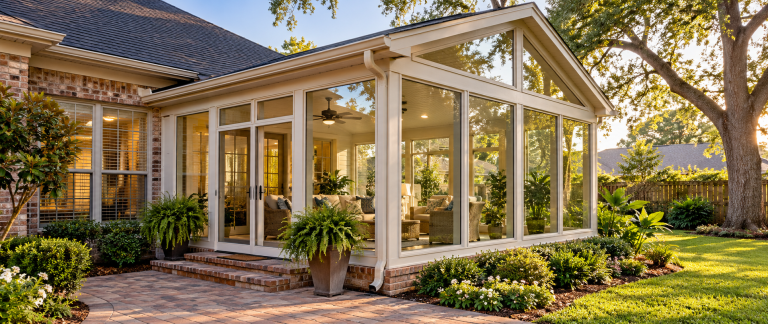
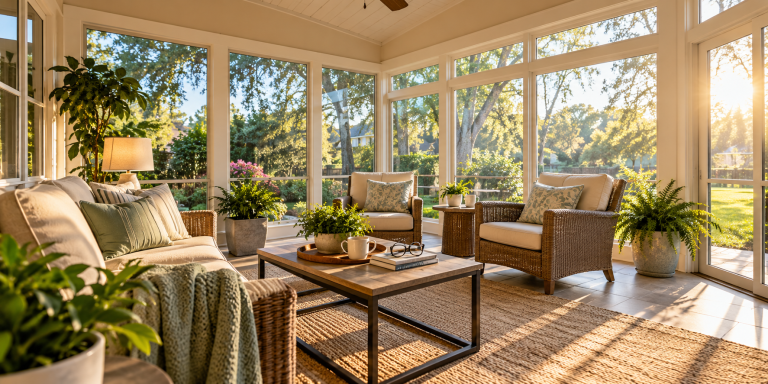
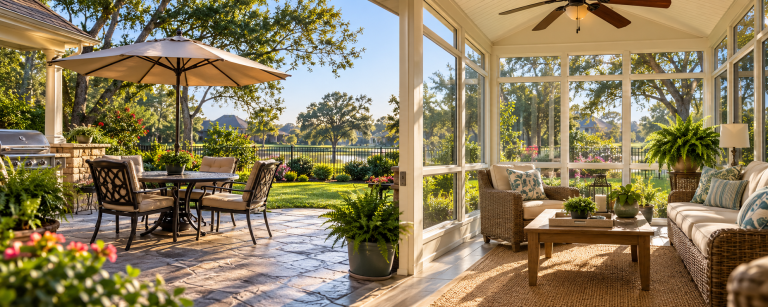
A patio cover can do much more than provide shade. It can turn an ordinary backyard into a comfortable place where you can enjoy a quiet morning, share meals with family, or spend time with friends. It also helps you get more use out of your outdoor living space during Louisiana’s long summers and frequent afternoon rain showers.
Many homeowners begin shopping for a patio cover by comparing colors, roof styles, and prices. While those details are important, they are only part of the decision. The features built into the patio cover have a much greater impact on how well it performs over the years. A patio cover that looks great on installation day should also be able to stand up to Louisiana’s weather and continue looking good with minimal maintenance.
Louisiana presents challenges that homeowners in many other parts of the country do not face. Hot sunshine, high humidity, heavy rain, and hurricane season all place stress on outdoor structures. A patio cover that performs well in another climate may not be the best choice for a home along the Gulf Coast.
If you’ve been researching patio covers Metairie, you’ve probably noticed that many products look similar at first glance. They may offer comparable colors, roof designs, and dimensions, making it difficult to know which one is right for your home. The biggest differences are often found in the details you cannot easily see, such as the structure, the materials, and the way the patio cover is installed.
Learning about these features before you begin comparing estimates can help you make a more informed decision. Instead of focusing only on the upfront cost, you’ll be able to evaluate the quality, durability, and long-term value of each proposal.
The following seven features deserve your attention before investing in a new patio cover.
Key Takeaways
- A patio cover is a long-term investment that should be evaluated on quality and performance, not just appearance or price.
- A strong structural design provides the foundation for a patio cover that can stand up to years of use and Louisiana’s demanding weather.
- Wind resistance is especially important for Gulf Coast homeowners because of frequent thunderstorms and hurricane season.
- A well-designed drainage system helps direct rainwater away from your patio, improving comfort and protecting your outdoor living space.
- Low-maintenance materials can reduce the time and expense required to keep your patio cover looking its best.
- Choosing a finish that complements your home’s architecture creates a more polished and cohesive appearance.
- Built-in lighting extends the use of your patio into the evening while improving visibility and ambiance.
- Long-term durability depends on quality materials, sound engineering, effective drainage, and professional installation working together.
- Asking contractors detailed questions about design, materials, and installation can help you make a more informed buying decision.
- Investing in the right patio cover today can provide years of comfort, enjoyment, and lasting value for your home.
1. A Strong Structure Is the Foundation of a Quality Patio Cover
Every patio cover depends on a strong structure. While homeowners usually notice the appearance first, the strength of the frame determines how well the patio cover performs through years of everyday use and changing weather.
A patio cover must support its own weight while handling rain, wind, and constant exposure to the elements. If the structure is not designed correctly, problems may not appear right away. Instead, they often develop gradually after years of use, when repairs become more difficult and expensive.
Think about building a house. No one would choose a home based only on the color of the siding or the style of the front door. The framing underneath is what gives the house its strength. The same idea applies to a patio cover. The posts, beams, roof supports, and attachment points all work together to create a structure that remains stable over time.
Imagine two neighbors who install similar-looking patio covers during the same summer. At first, both projects seem equally successful. The patio covers provide shade, improve the appearance of each home, and become popular gathering places for family and friends.
Several years later, however, the difference in construction begins to show. One patio cover continues to look and perform much like it did when it was first installed because the structure was carefully planned and properly built. The other begins showing signs of movement and wear that could have been avoided with better design and installation.
That is why it is worth asking questions before work begins.
Experienced patio cover contractors should be able to explain how the patio cover will be attached to your home, how the structure supports the expected loads, and how the design meets local building requirements. Clear answers can help you understand the quality of the project before construction starts.
Although structural components are hidden once the patio cover is complete, they remain one of the most important parts of the entire system. A strong structure supports every other feature and helps your investment last for many years.
2. Wind Resistance Is Essential for Louisiana Homes
Living in southeast Louisiana means preparing for severe weather every year. Strong thunderstorms can develop with little warning, and hurricane season brings the possibility of powerful winds that place extra demands on outdoor structures.
Because of this, wind resistance should be one of the first features you discuss with a contractor.
Many homeowners assume that a heavier patio cover is automatically stronger. While durable materials certainly matter, wind resistance depends on much more than weight. It begins with thoughtful engineering and continues through every step of the installation process.
During a windstorm, pressure pushes against the patio cover from several directions at once. Wind can lift upward, push sideways, and create stress throughout the structure. The roof panels, beams, posts, fasteners, and attachment points must all work together to help the patio cover remain secure.
Consider a homeowner who installs a patio cover shortly before hurricane season begins. As the weather forecast tracks another storm across the Gulf, there is comfort in knowing the structure was designed for local conditions rather than simply built to look attractive. While no outdoor structure can eliminate every risk during severe weather, careful design and professional installation can provide greater peace of mind.
This is one reason it is important to compare more than the final price when reviewing estimates. Two proposals may appear similar, yet the methods used to design and install each patio cover can be very different. The quality of the work behind the finished product often determines how well it performs long after the installation is complete.
As you compare patio covers, ask how the structure is secured to your home, what local building requirements apply to the project, and how the design addresses Louisiana’s weather conditions. A knowledgeable contractor should be comfortable answering these questions and explaining the reasoning behind the installation.
Choosing a patio cover that is built for Gulf Coast weather helps protect your investment while giving you confidence that your outdoor living space is prepared for the conditions it will face throughout the year.
3. A Well-Designed Drainage System Makes a Big Difference
Rain is a fact of life in Louisiana. Afternoon showers can appear with little warning, and heavy downpours are common throughout much of the year. While homeowners often focus on the roof itself, it is just as important to understand what happens to the rainwater after it lands there.
An effective drainage system helps move water away from your patio instead of allowing it to collect where your family spends time outdoors.
Without proper drainage, water can pour off the edge of the patio cover, collect in puddles, splash against nearby walls, or leave walkways wet and slippery. These problems may seem minor at first, but they can affect how often you enjoy your outdoor space and how comfortable it remains after every storm.
Picture a family gathering on a Saturday afternoon. As often happens during a Louisiana summer, dark clouds move in and a brief shower interrupts the celebration. A patio cover with good drainage helps direct rainwater away from the seating area, making it easier for everyone to return outside once the rain passes. Instead of waiting hours for puddles to dry, the patio becomes usable again much sooner.
Good drainage also helps protect the area around your patio. Managing rainwater properly reduces the amount of standing water near your outdoor living space and helps prevent unnecessary moisture from collecting around the structure.
When discussing your project with a contractor, ask how rainwater will be managed and where it will be directed after leaving the roof. The answer should fit your home’s layout and provide a practical solution for handling Louisiana’s frequent rainfall.
A patio cover should make your outdoor space more enjoyable in every season. Proper drainage is one of the features that helps make that possible.
4. Choose Materials That Are Easy to Maintain
A patio cover should give you more time to enjoy your backyard—not more work to do on the weekends. That is why the materials used in the project deserve just as much attention as the overall design.
Louisiana’s climate is hard on outdoor structures. Heat, humidity, heavy rain, strong sunlight, and seasonal storms can all wear down materials over the years. Some products may look attractive when they are first installed, but they may require regular painting, refinishing, or other upkeep to keep them looking their best.
Before choosing a patio cover, think about how much maintenance you are willing to do over the next 10 to 20 years. A lower purchase price may seem appealing at first, but frequent upkeep can add both time and expense over the life of the structure.
Many modern patio cover systems are made with materials that are built to handle everyday exposure to the weather. They are designed to resist fading, peeling, cracking, and warping, helping the patio cover maintain its appearance with basic cleaning instead of constant maintenance.
For example, imagine two homeowners who install patio covers at the same time. Every spring, one homeowner spends several weekends cleaning, repainting, and making small repairs before the patio is ready for summer. The other simply rinses away dirt and pollen, arranges the outdoor furniture, and starts enjoying the space right away.
Over the years, those differences become much more noticeable.
When comparing materials, ask how they are expected to perform in Louisiana’s climate. Find out what type of routine maintenance is recommended and how often it should be done. Understanding those expectations before installation can help you avoid surprises later.
Choosing low-maintenance materials allows you to spend less time working on your patio cover and more time enjoying everything it adds to your home.
5. Select a Finish That Complements Your Home
A patio cover should look like it belongs with your home from the very beginning. When the finish is chosen carefully, the new addition blends naturally with the rest of the house instead of looking like something that was added years later.
Many homeowners begin by selecting a color they like. While color is certainly important, it is only one part of the overall design. The finish should also complement your home’s architecture, roofline, trim, and other exterior features.
Take a moment to look at your home from the street. Notice the roof color, brick or siding, window trim, and front porch. A patio cover should work with those existing features rather than compete with them. The goal is to create an outdoor living space that feels like a natural extension of your home.
For example, a traditional home may look best with clean, timeless finishes that match its existing style. A more modern home may benefit from a simpler design with smooth lines and contemporary colors. Neither choice is better than the other. The right finish depends on the character of your home.
Landscaping also plays a role. Trees, flower beds, fencing, and outdoor kitchens all contribute to the appearance of your backyard. A patio cover that complements these features creates a more inviting outdoor space where everything works together.
As you review different options, ask your contractor to show examples of completed projects with homes similar to yours. Seeing real installations can make it easier to picture how different colors and finishes will look on your own property.
A well-chosen finish does more than improve curb appeal. It helps create an outdoor space that feels comfortable, welcoming, and connected to the rest of your home.
6. Built-In Lighting Lets You Enjoy Your Patio After Sunset
Most homeowners think about daytime when planning a patio cover. They imagine relaxing in the shade, eating lunch outside, or watching grandchildren play in the backyard. While those are all great reasons to install a patio cover, many families discover that they enjoy the space just as much after the sun goes down.
Built-in lighting makes that possible.
Instead of ending an evening because it has become too dark outside, lighting allows your outdoor living space to remain comfortable and functional. Whether you are enjoying dinner with family, visiting with neighbors, or simply relaxing after a long day, good lighting helps create an inviting atmosphere.
Many homeowners start with portable lights or strings of decorative bulbs because they are easy to install. While these can provide temporary lighting, they often leave cords exposed or create a cluttered appearance.
Planning for lighting during the patio cover installation creates a cleaner, more finished look. It also allows the lighting to become part of the overall design instead of something added later.
Imagine sitting outside on a warm spring evening. Dinner has ended, the weather is pleasant, and no one is ready to go inside. Soft lighting above the seating area provides enough light for conversation, games, or reading while creating a comfortable setting for everyone to enjoy.
Lighting can also improve safety by making steps, walkways, and seating areas easier to see after dark. These added benefits help homeowners get more use from their outdoor living space throughout the year.
If lighting is something you may want in the future, mention it during the planning stage. Even if you have not chosen every fixture yet, discussing your options early can make future upgrades much easier.
A patio cover should be useful from morning until night, and built-in lighting helps make that possible.
7. Long-Term Durability Gives You the Best Value
Installing a patio cover is a major investment in your home. Most homeowners expect it to provide years of comfort, beauty, and dependable performance. That is why durability should be one of your highest priorities.
Louisiana’s weather never stays the same for long. One week may bring bright sunshine and high temperatures, while the next brings heavy rain and strong winds. Year after year, these changing conditions test every outdoor structure.
A patio cover that lasts begins with good planning. A strong structure provides stability. Quality materials help resist everyday wear. Proper drainage moves water away from the patio, and professional installation helps every part of the system work together.
Each feature builds on the others.
For example, even the best materials cannot perform well if the structure underneath is not built correctly. In the same way, a strong frame cannot protect your investment if rainwater is not managed properly. Every part of the patio cover contributes to its overall performance.
Now think about your backyard ten or fifteen years from now. Instead of worrying about constant maintenance or replacing worn materials, you are still enjoying family cookouts, birthday parties, holiday gatherings, and quiet evenings outdoors. That is the kind of value many homeowners hope to receive from their investment.
When comparing estimates, avoid making your decision based only on price. A lower bid may not include the same quality of materials or workmanship as another proposal. Looking at the complete project instead of only the bottom line can help you make a better decision for your home.
Ask questions about the materials, the installation process, and how the patio cover is expected to perform over the years. The answers can tell you a great deal about the quality of the finished project.
A durable patio cover provides lasting enjoyment and helps you get the most from your investment.
Conclusion
A patio cover is more than a place to escape the sun. It is an investment that can improve the way you enjoy your home every day. Whether you are sharing meals with family, relaxing after work, or hosting friends on the weekend, the right patio cover creates an outdoor space that is comfortable, attractive, and built to last.
As you compare your options, look beyond colors and prices. Pay attention to the features that affect long-term performance. A strong structure provides the support every patio cover needs. Wind resistance helps prepare it for Louisiana’s weather. Good drainage keeps rainwater under control, while low-maintenance materials reduce the amount of upkeep over the years. A finish that complements your home creates a polished appearance, built-in lighting extends the use of your outdoor living space into the evening, and durable construction helps protect your investment for years to come.
Taking the time to compare these features will help you make a confident decision and choose a patio cover that fits both your home and your lifestyle.
If you’re ready to learn more about adding a patio cover to your home, the team at Capital Improvement is here to help. We can answer your questions, explain your options, and help you choose a patio cover that is designed for Louisiana’s climate and your family’s needs.
Visit our Contact Us page at https://www.capitalimprovement.com/contact/ or call 504-733-5722 to schedule your consultation.
When You Hire Us, We’ll Be There!
Frequently Asked Questions
How do I choose the right patio cover for my home?
Start by looking beyond style and price. Compare structural design, wind resistance, drainage, materials, durability, and the contractor’s experience. A patio cover should fit your home’s appearance while also performing well in Louisiana’s climate.
What materials require the least maintenance?
Many modern patio cover systems are designed with low-maintenance materials that resist fading, peeling, cracking, and warping. Ask your contractor about the expected maintenance requirements and how the materials perform in hot, humid climates.
Why is wind resistance important in Louisiana?
Louisiana experiences strong thunderstorms, tropical storms, and hurricanes. A patio cover designed and installed for local wind conditions is better prepared to handle these weather events and provide long-term performance.
Does drainage really make that much of a difference?
Yes. An effective drainage system helps move rainwater away from your patio, reducing puddles, slippery surfaces, and water runoff near your home. Good drainage also helps protect the patio cover and surrounding outdoor living areas.
Should I include lighting when installing a patio cover?
Planning for lighting during installation is often easier than adding it later. Built-in lighting extends the use of your outdoor space after sunset while improving comfort, visibility, and the overall appearance of your patio.
How long should a quality patio cover last?
The lifespan depends on the materials, engineering, installation quality, and how well the system is maintained. Choosing durable materials and working with an experienced contractor can help your patio cover provide reliable performance for many years.
Is the lowest-priced estimate always the best value?
Not necessarily. Lower-priced proposals may use different materials or installation methods. Comparing the overall quality of the project—not just the price—can help you make a better long-term investment.
What questions should I ask a patio cover contractor?
Ask about the structural design, wind resistance, drainage plan, materials, maintenance requirements, finish options, lighting opportunities, permits, and how the patio cover is designed for Louisiana’s climate.
This article is a collaboration between Capital Improvement and OpenAI’s ChatGPT. Created on July 20, 2026, it combines AI-generated draft material with Capital Improvement’s expert revision and oversight, ensuring accuracy and relevance while addressing any AI limitations.
Recommended Reading
1. Residential Requirements for Exterior Structures (International Residential Code®)
Summary: Published by the International Code Council (ICC), this resource provides the residential building code requirements that influence the design and construction of exterior structures. It offers valuable background on structural loads, wind resistance, and code compliance that help industry professionals understand the standards behind quality patio cover installations.
URL:
https://codes.iccsafe.org/content/IRC2024P1
2. FORTIFIED Home™ – Strengthening Homes Against Severe Weather
Summary: Developed by the Insurance Institute for Business & Home Safety (IBHS), FORTIFIED Home explains science-based building practices that improve a home’s ability to withstand high winds, heavy rain, and severe weather. The guidance provides useful context for understanding why structural design and proper installation are important for outdoor structures.
URL:
https://fortifiedhome.org/
3. Building America Solution Center – Moisture Management
Summary: The U.S. Department of Energy’s Building America Solution Center offers technical guidance on moisture control, weather-resistant construction, and durable building practices. These resources help readers better understand how proper design and construction contribute to the long-term performance of residential exterior improvements.
URL:
https://basc.pnnl.gov/moisture-management