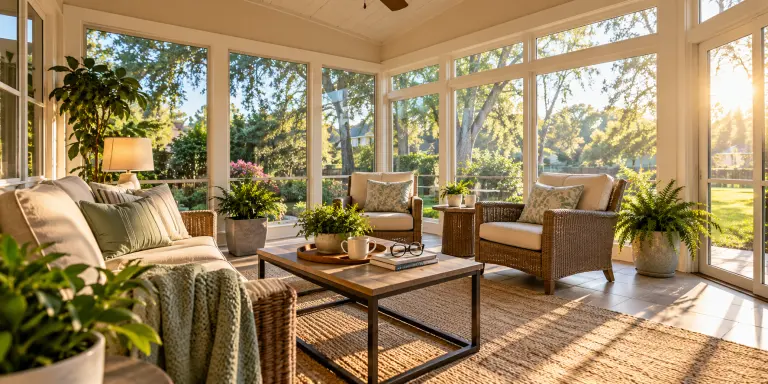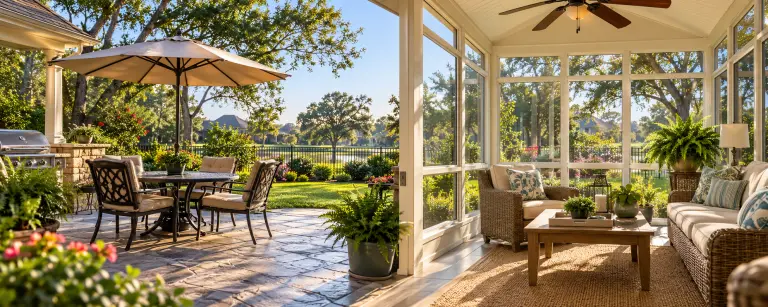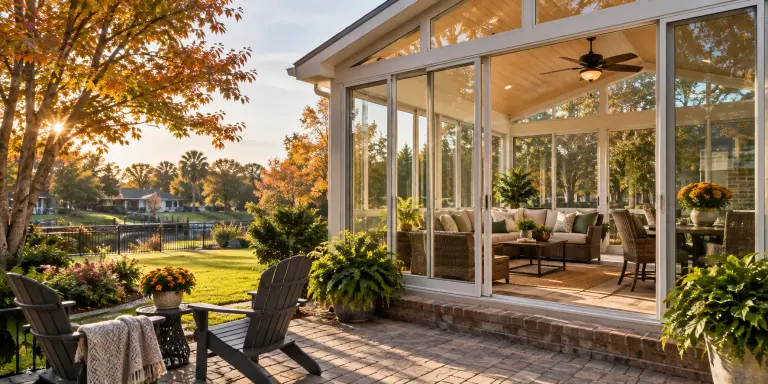
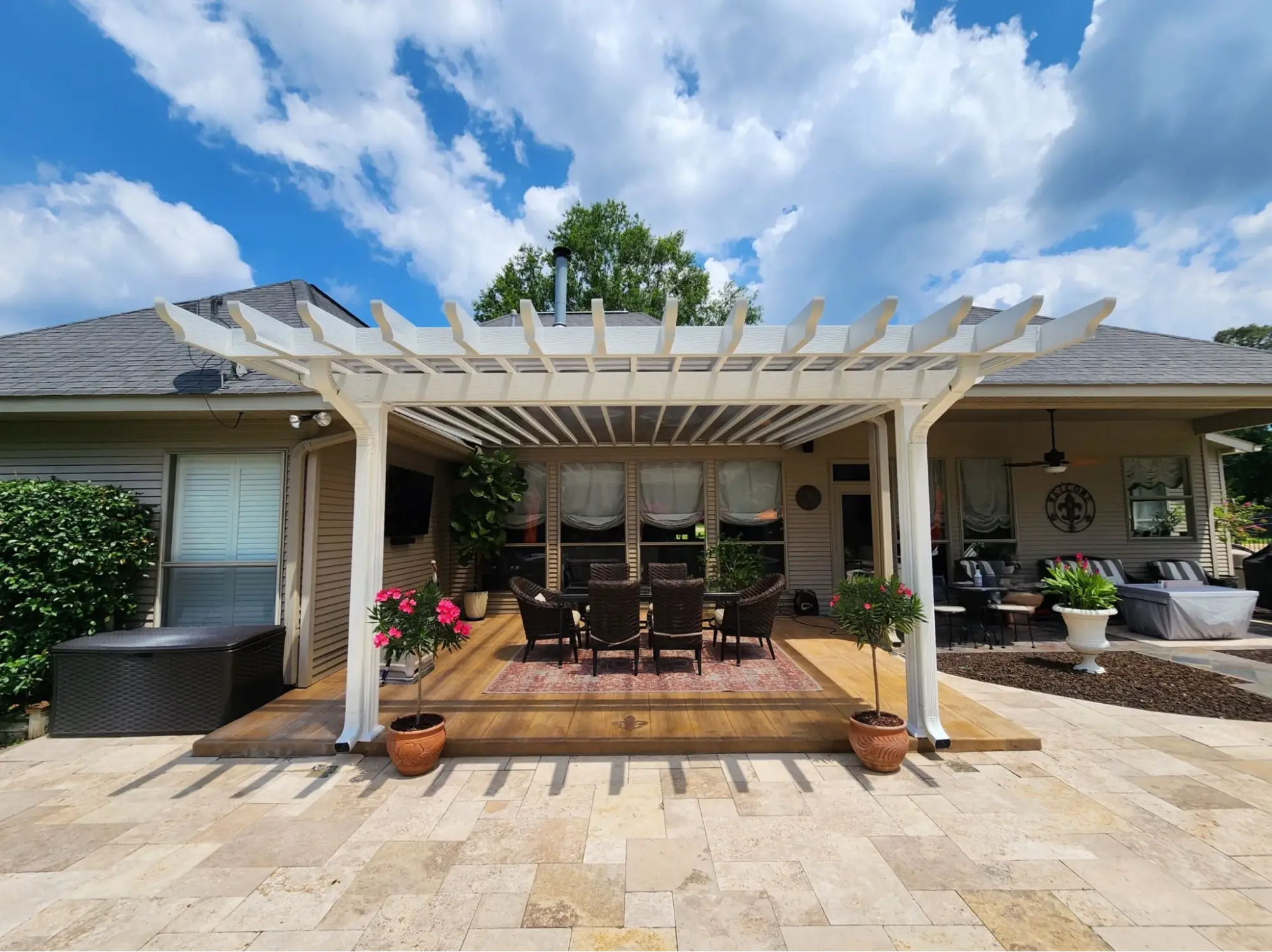
In Louisiana, outdoor living is part of everyday life. Whether you’re relaxing with morning coffee, hosting a cookout, or enjoying a quiet afternoon breeze, a patio helps make your home feel complete. But when hurricane season rolls around, those peaceful outdoor spaces can face serious risk.
That’s why choosing the right patio cover is more than just picking a shade solution. In areas like Metairie and New Orleans, it’s about protecting your home from heavy wind, rain, and flying debris. A poorly built cover can become a hazard during a storm, while a strong, wind-rated one will stay in place and help keep your home safe.
In this article, you’ll learn which patio covers hold up best in hurricanes, which materials work for our climate, and how to choose a contractor you can trust.
Schedule your consultation today: capitalimprovement.com/contact or call 504-733-5722.
- Key Takeaways
- Why Strong Patio Covers Matter in Louisiana
- What Makes a Patio Cover Hurricane-Resistant?
- Best Materials for Storm-Ready Patio Covers
- Smart Patio Cover Design for Wind Protection
- Permits, Inspections, and Why They Matter
- Easy Maintenance Tips for Longevity
- Choosing the Right Patio Cover for Your Home
- Why Capital Improvement Is the Right Choice
- Conclusion: Make Your Outdoor Space Safer This Season
- Frequently Asked Questions (FAQs)
- What is a hurricane-resistant patio cover?
- What materials are best for hurricane-prone areas?
- Can I use a regular patio awning during hurricane season?
- Do I need a permit to install a patio cover?
- Will a sloped roof really help in a storm?
- Can I add screens to my patio cover?
- How long will my hurricane-resistant patio cover last?
- Does Capital Improvement offer repairs?
- How do I know what type of cover is right for my home?
- How do I get started?
Key Takeaways
- Not all patio covers are built for hurricanes. In Louisiana, choosing a wind-rated, code-compliant patio cover is essential for safety and durability during storm season.
- Aluminum is the top choice for hurricane-resistant patio covers. It’s lightweight, strong, rust-resistant, and available in both flat pan and insulated panel styles.
- Proper installation matters as much as materials. A hurricane-rated cover must be anchored deeply, supported by strong posts, and built with a pitched roof for water drainage and wind resistance.
- Screen rooms require extra structural support. Designs without knee walls and with reinforced framing are better suited for high-wind areas.
- Permits and local code compliance are non-negotiable. A reliable contractor like Capital Improvement will handle the entire process—from permits to inspections—to ensure your patio cover meets local wind-load standards.
- Low maintenance keeps your cover storm-ready. Annual inspections, cleaning, and trimming nearby trees can help extend the life of your structure.
- Capital Improvement focuses on new installations only. The company builds durable, storm-rated patio covers and screen rooms using trusted systems and local professional crews.
- Now is the best time to prepare. Don’t wait until a storm is coming—invest in a structure that adds value, comfort, and protection to your home today.
Why Strong Patio Covers Matter in Louisiana
If you live in Southeast Louisiana, you know how quickly the weather can change. Every year, hurricanes threaten homes across the Gulf Coast with damaging winds and rain. Anything not built for storms—like fences, sheds, and weak patio covers—can tear away, causing major damage.
Many homeowners don’t realize their patio cover isn’t storm-rated until it’s too late. Covers that aren’t properly anchored or made with thin material can collapse, rip away, or damage your roof, walls, or yard.
But hurricane-resistant patio covers are built to stay put—even in winds over 130 mph. They’re designed to meet strict local codes and protect your outdoor space through the worst parts of storm season.
Real-World Comparison
A homeowner in Kenner installs a low-cost patio awning for shade. It works well until a Categorliouiuio2 hurricane hits. The wind rips it off, and it damages their home./
Meanwhile, a neighbor in Destrehan installs a wind-rated aluminum patio cover from Capital Improvement. After the same storm, their structure stands firm with no damage.
The difference? One cover was built for storms—the other wasn’t.
What Makes a Patio Cover Hurricane-Resistant?
Not all patio covers are safe in a storm. A hurricane-resistant cover includes three important features:
1. Meets Local Wind Codes
In Louisiana, most parishes require patio covers to withstand winds of at least 130 miles per hour. These wind-load codes exist to protect homes and property.
At Capital Improvement, all patio covers meet or exceed these wind code requirements. We only install structures that are built for the realities of our weather.
2. Anchored with Strength
Wind doesn’t just push—it lifts. When a strong gust gets under a patio cover, it can pull the entire structure upward and away.
To stay grounded, the cover must be anchored with heavy-duty posts, deep-set concrete footings, and secure brackets. This anchoring system spreads the wind pressure and keeps the structure stable during a storm.
3. Built with the Right Materials
The materials used in your cover also affect how well it holds up. Lightweight, thin metal might bend or break. But strong aluminum or steel can resist wind pressure and last through years of weather.
Best Materials for Storm-Ready Patio Covers
Aluminum: Durable and Trusted
Aluminum is the most popular material for patio covers in the New Orleans area. It’s rust-resistant, long-lasting, and doesn’t warp in humidity. It’s also lighter than steel but still very strong.
There are two common styles:
- Flat Pan Aluminum Panels – These offer simple, solid protection. They’re affordable and do a great job of draining rainwater.
- Insulated Aluminum Panels – These panels have a foam core that keeps heat out and adds strength. They’re ideal for homeowners who use their patio daily, especially in the summer.
Explore our insulated patio cover options →
Steel: Heavy and Strong
Steel offers excellent strength and is used mostly for larger or freestanding patio covers. It’s heavier and requires special coatings to prevent rust. While it’s stronger than aluminum, it’s also more expensive and less common for typical home patios.
Polycarbonate: Not the Best for Storms
Some people like polycarbonate panels because they let light through. But these panels don’t hold up well in high winds unless they’re part of a reinforced structure. That makes them a less reliable choice in hurricane zones.
Smart Patio Cover Design for Wind Protection
A patio cover isn’t just about materials—it also needs the right design to handle strong winds.
Attached vs. Freestanding Covers
- Attached Covers connect to your house. This makes them more stable and better supported in bad weather. They’re great for back patios, porches, or outdoor kitchens.
- Freestanding Covers stand alone, like a carport or garden shelter. These need stronger posts and deeper foundations to stay secure during a storm.
Both types can be safe when built properly—but attached covers generally offer more built-in stability.
Sloped Roofs Work Better
A sloped roof helps water run off and reduces the chance of wind getting trapped underneath. Without a slope, water can pool and weigh down the panels—or wind can lift the roof.
Even a small slope of 1/4 inch per foot helps your patio cover perform better during storms and heavy rain.
Screen Rooms Need Special Support
Screened patios are great for comfort—but they also catch more wind. If the structure isn’t designed to support that extra pressure, it could fail during a storm.
We build screen rooms with strong frames and no knee walls (short lower walls that can weaken the structure). Every screen room we install is designed for hurricane-prone areas.
Permits, Inspections, and Why They Matter
In most cities and parishes in Louisiana, adding a patio cover means getting a building permit. Permits are required for safety, insurance, and legal reasons.
Doing this on your own can be time-consuming and confusing. Capital Improvement takes care of it all for you. We’ll:
- Apply for your permit
- Handle wind-load documentation
- Schedule and pass city inspections
- Make sure everything meets local codes
We also work only with trusted local installation crews—not in-house teams—so the job gets done right, without surprises.
When we say, “When You Hire Us, We’ll Be There,” we mean we’ll be with you from start to finish.
Easy Maintenance Tips for Longevity
Patio covers don’t need much upkeep, but regular care helps them last longer and stay safe year after year.
- Inspect yearly, especially before hurricane season
- Tighten any loose hardware or fasteners
- Clean off leaves and branches
- Wash the surface with soap and water every few months
- Trim nearby trees to prevent damage from falling limbs
While Capital Improvement only installs new patio covers (not repairs), we build each one to require minimal maintenance over the long run.
Choosing the Right Patio Cover for Your Home
Every homeowner has different needs. Think about how you want to use your patio space:
- Do you want full shade or some sun?
- Are you looking for shelter from rain?
- Will the cover be used for relaxing, dining, or storage?
- Do you need a screen to keep bugs away?
- Should it be attached to your house or freestanding?
Example Story
A retired couple in Slidell wants a quiet, shaded place to enjoy coffee and read outside. They choose an attached, insulated aluminum cover with a gentle roof slope and screened sides. It stays cool, keeps bugs out, and stands strong through storm season.
Your needs shape the design. Our team helps you choose the right size, material, and layout for your space.
Why Capital Improvement Is the Right Choice
We don’t offer quick fixes or patch jobs. We only build new, wind-rated patio covers that are safe, long-lasting, and made for Louisiana’s storm season.
Here’s what makes Capital Improvement different:
- Every patio cover meets or exceeds wind code
- We use reliable, long-lasting materials like aluminum
- We manage all permits and inspections
- Our installation crews are local and experienced
- We communicate clearly—no surprises, no delays
Learn more about our patio covers in New Orleans →
Conclusion: Make Your Outdoor Space Safer This Season
Hurricanes are a fact of life in Louisiana. If your patio cover isn’t built for strong winds, it could cause costly damage—or leave you without the outdoor space you enjoy most.
Now is the right time to upgrade. A strong, wind-rated patio cover doesn’t just add shade—it protects your home, your family, and your investment.
Ready to build smart and stay safe? Call 504-733-5722 or visit https://capitalimprovement.com/contact to schedule your consultation with Capital Improvement today.
Frequently Asked Questions (FAQs)
What is a hurricane-resistant patio cover?
It’s a patio cover that’s designed and built to handle strong winds—usually 130 mph or more—like those we get during hurricanes in Louisiana. These covers are anchored securely, made from durable materials, and follow local building codes.
What materials are best for hurricane-prone areas?
Aluminum is the best choice for most homes. It’s lightweight, strong, and doesn’t rust. Insulated aluminum panels are even better—they’re stronger and help keep your patio cool.
Can I use a regular patio awning during hurricane season?
No. Lightweight awnings or store-bought patio covers are not made to handle hurricane winds. They can tear off and cause damage to your home or yard.
Do I need a permit to install a patio cover?
Yes. In most parts of Louisiana, you need a permit. The rules help make sure your structure is safe and follows wind-load codes. Capital Improvement takes care of all permits and inspections for you.
Will a sloped roof really help in a storm?
Yes. A slight slope lets water drain off and reduces the pressure from wind underneath the cover. It helps your patio cover stay in place during heavy rain and strong winds.
Can I add screens to my patio cover?
Yes, but it needs to be built the right way. Screen rooms catch more wind, so they require stronger frames. Capital Improvement builds screen rooms without knee walls and with wind-rated support.
How long will my hurricane-resistant patio cover last?
With proper care, an aluminum patio cover can last 20 years or more. You should inspect it yearly, keep it clean, and trim nearby trees to prevent damage.
Does Capital Improvement offer repairs?
No. Capital Improvement only installs new patio covers and screen rooms. We do not offer repair services. However, our covers are built to last and require little maintenance.
How do I know what type of cover is right for my home?
That depends on how you’ll use the space, how much shade or airflow you want, and whether the cover will be attached to your house or freestanding. We’ll help you choose the best design during your consultation.
How do I get started?
Call Capital Improvement at 504-733-5722 or visit https://capitalimprovement.com/contact to schedule your consultation. We’ll take care of the rest—from design to permits to installation.
This article is a collaboration between Capital Improvement and OpenAI’s ChatGPT. Created on December 2, 2025, it combines AI-generated draft material with Capital Improvement’s expert revision and oversight, ensuring accuracy and relevance while addressing any AI limitations.