Understanding Soffit and Fascia: Key Components of Your Home
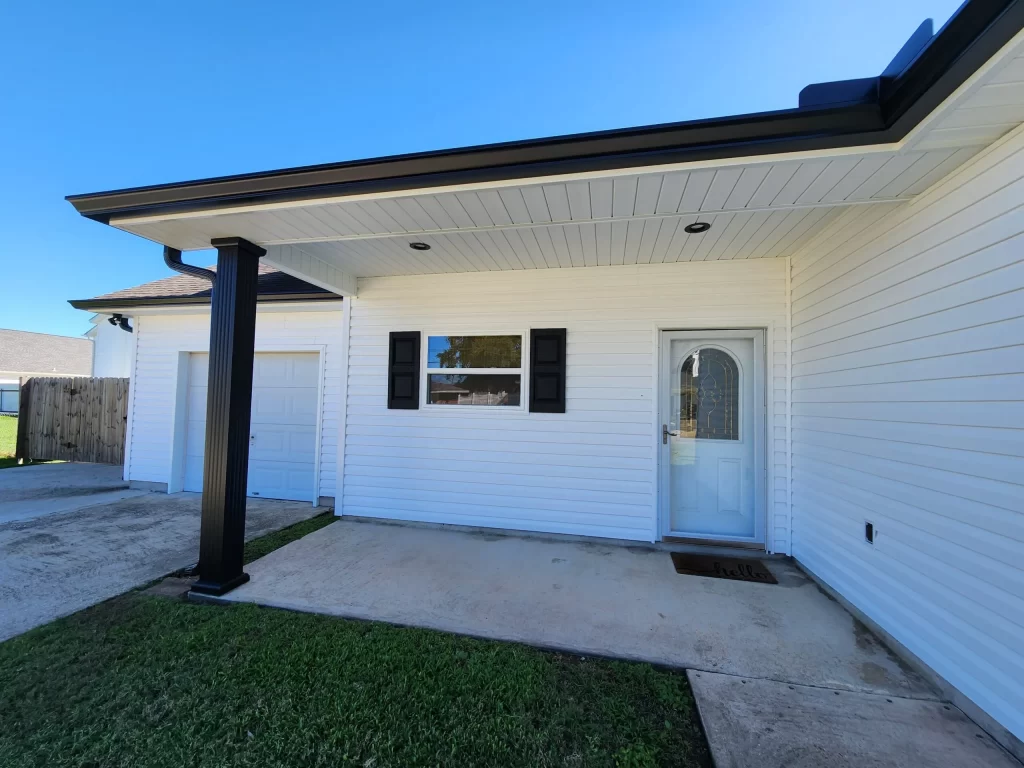
Soffit and fascia play crucial roles in the overall functionality and aesthetics of your home. The soffit, located beneath the roof overhang, helps ventilate the attic space, while the fascia, the board that runs along the roof's edge, provides a finished look and supports the gutters. Together, they protect your home from moisture damage and enhance curb appeal.
Neglecting these components can lead to significant issues, including water damage and pest infestations. For instance, a properly ventilated soffit can help prevent mold growth in the attic, while well-maintained fascia can prevent the deterioration of your roof structure. Regular inspections and timely repairs are essential to maintain their integrity.
Common Signs of Soffit and Fascia Damage
Identifying damage to soffit and fascia early can save homeowners from costly repairs. Common signs include peeling paint, visible rot, or sagging materials. Additionally, if you notice pests entering your attic or water stains on your ceilings, these may indicate issues with your soffit and fascia.
For example, if you observe a buildup of debris in the gutters or a misalignment of the fascia board, it may signal that these components require immediate attention. Homeowners should conduct regular inspections, especially after severe weather, to catch these problems early and ensure the longevity of their home’s exterior.
DIY vs. Professional Soffit and Fascia Maintenance
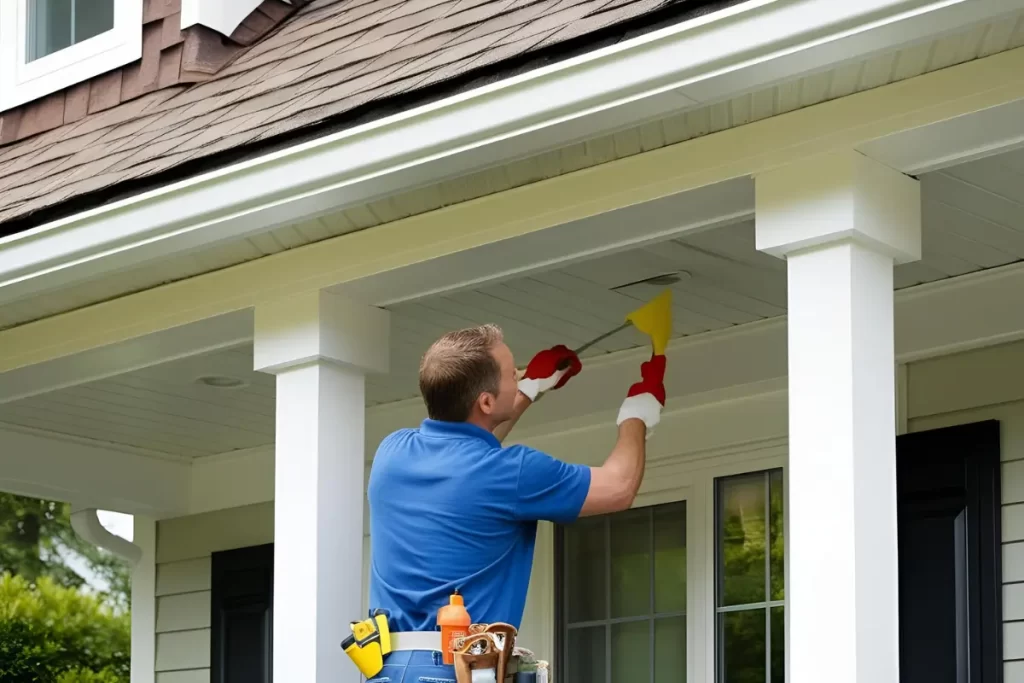
When it comes to maintaining soffit and fascia, homeowners often face the decision between DIY repairs and hiring professionals. While minor repairs might be manageable for the average homeowner, significant damage or replacement usually requires professional expertise to ensure proper installation and adherence to local building codes.
For instance, a professional contractor can assess the extent of damage and recommend the best materials for replacement, ensuring durability and aesthetic appeal. Moreover, they have the tools and experience to handle complex issues, such as ventilation problems or structural damage, that might not be apparent to a DIY enthusiast.
Choosing the Right Materials for Soffit and Fascia
Selecting the right materials for your soffit and fascia is essential for durability and maintenance. Common materials include vinyl, aluminum, and wood, each offering different benefits and aesthetic options. Vinyl is low-maintenance and resistant to rot, while aluminum provides a sleek look with added durability against harsh weather.
Homeowners should consider factors such as climate, maintenance preferences, and budget when choosing materials. For example, in humid areas, vinyl may be preferred for its resistance to moisture, whereas wood might be chosen for its classic appearance but will require more upkeep. Understanding these options helps ensure the longevity and performance of your home’s exterior components.
Understanding Soffit and Fascia: Key Components of Your Home
Soffit and fascia play crucial roles in the overall functionality and aesthetics of your home. The soffit, located beneath the roof overhang, helps ventilate the attic space, while the fascia, the board that runs along the roof's edge, provides a finished look and supports the gutters. Together, they protect your home from moisture damage and enhance curb appeal.
Neglecting these components can lead to significant issues, including water damage and pest infestations. For instance, a properly ventilated soffit can help prevent mold growth in the attic, while well-maintained fascia can prevent the deterioration of your roof structure. Regular inspections and timely repairs are essential to maintain their integrity.
Common Signs of Soffit and Fascia Damage
Identifying damage to soffit and fascia early can save homeowners from costly repairs. Common signs include peeling paint, visible rot, or sagging materials. Additionally, if you notice pests entering your attic or water stains on your ceilings, these may indicate issues with your soffit and fascia.
For example, if you observe a buildup of debris in the gutters or a misalignment of the fascia board, it may signal that these components require immediate attention. Homeowners should conduct regular inspections, especially after severe weather, to catch these problems early and ensure the longevity of their home’s exterior.
DIY vs. Professional Soffit and Fascia Maintenance
When it comes to maintaining soffit and fascia, homeowners often face the decision between DIY repairs and hiring professionals. While minor repairs might be manageable for the average homeowner, significant damage or replacement usually requires professional expertise to ensure proper installation and adherence to local building codes.
For instance, a professional contractor can assess the extent of damage and recommend the best materials for replacement, ensuring durability and aesthetic appeal. Moreover, they have the tools and experience to handle complex issues, such as ventilation problems or structural damage, that might not be apparent to a DIY enthusiast.
Choosing the Right Materials for Soffit and Fascia
Selecting the right materials for your soffit and fascia is essential for durability and maintenance. Common materials include vinyl, aluminum, and wood, each offering different benefits and aesthetic options. Vinyl is low-maintenance and resistant to rot, while aluminum provides a sleek look with added durability against harsh weather.
Homeowners should consider factors such as climate, maintenance preferences, and budget when choosing materials. For example, in humid areas, vinyl may be preferred for its resistance to moisture, whereas wood might be chosen for its classic appearance but will require more upkeep. Understanding these options helps ensure the longevity and performance of your home’s exterior components.