
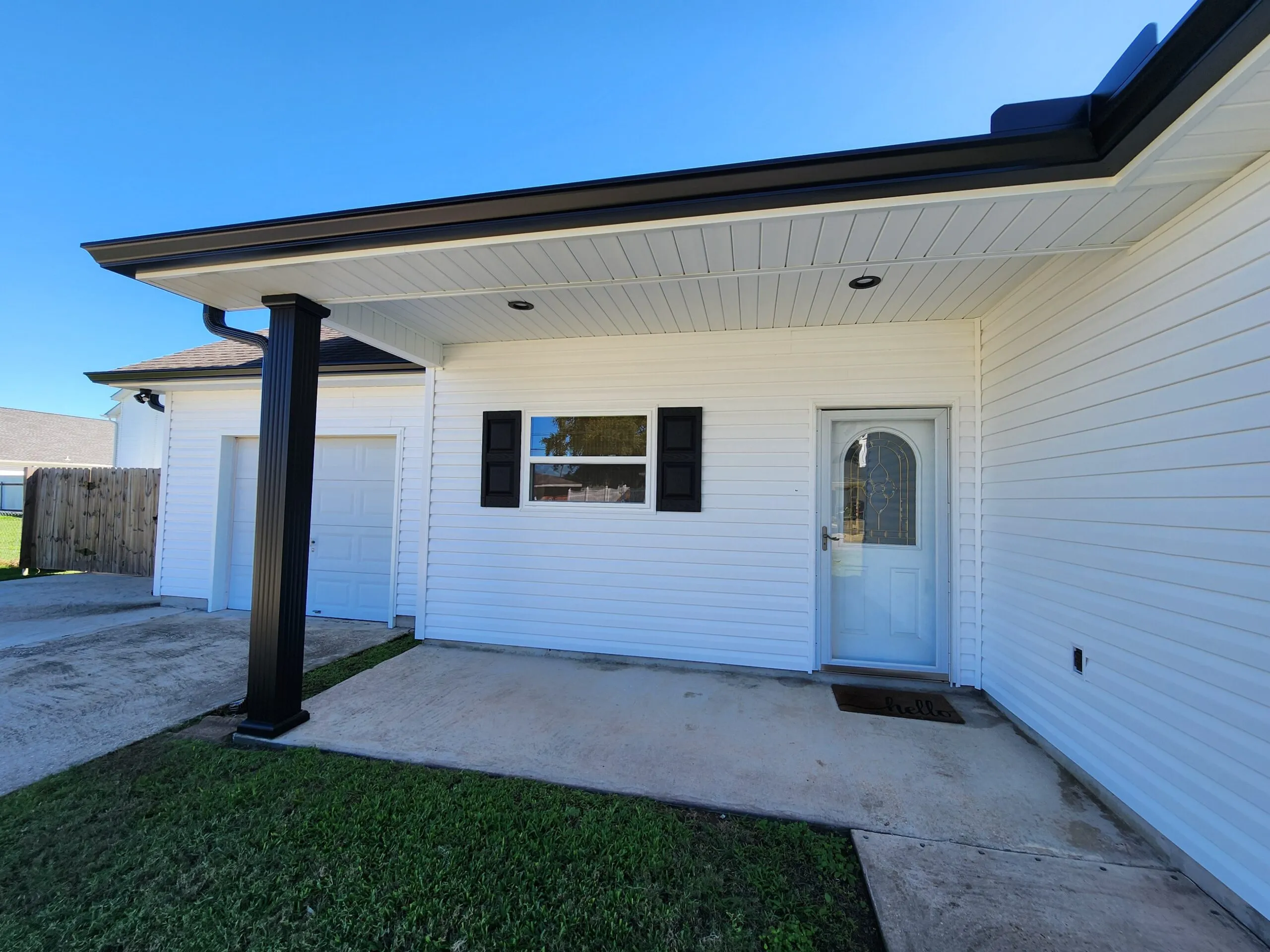
When you think about home energy efficiency, the first things that come to mind are usually insulation, high-performance windows, or a new HVAC system. But what about the less-obvious heroes of your home’s exterior? In Metairie and across the greater New Orleans area, two seemingly simple components play a crucial, often overlooked role in keeping your home comfortable and your energy bills in check: the soffit and the fascia.
At Capital Improvement, we understand that these elements are more than just decorative trim. The soffit and fascia are part of a critical system that protects your home from the elements, prevents structural damage, and, most importantly in our humid climate, manages attic ventilation to directly impact your energy consumption. A well-maintained and properly functioning soffit and fascia system is a smart, hidden investment in your home’s long-term efficiency and comfort.
- The Science Behind Soffit, Fascia, and Attic Ventilation
- The Energy-Saving Connection
- Beyond Energy: The Other Hidden Benefits
- Materials for Our Climate: The Smart Choice
- FAQs About Soffit and Fascia
- How can I tell if my soffit and fascia need to be replaced?
- What is the average cost to replace soffit and fascia?
- Is it a good idea to replace my gutters at the same time as my soffit and fascia?
- Do I need to clean my vented soffit panels?
- Will installing a new soffit and fascia increase my home's value?
- Invest in Protection, Save on Energy
The Science Behind Soffit, Fascia, and Attic Ventilation
To understand their value, you first need to know their function.
- Fascia: This is the visible, horizontal board that runs along the edge of your roofline, where your gutters are attached. It serves as a finishing trim, covering the exposed ends of the roof rafters and providing a smooth, clean surface for your gutters.
- Soffit: This is the material that covers the underside of your roof’s overhang, connecting the fascia to the side of your home. It’s the “ceiling” of your eave, and many soffit panels are vented to allow for airflow.
Together, the soffit and fascia are the key players in your home’s attic ventilation system. Here’s how they work in our humid, hot climate:
- Air Intake: Vented soffit panels allow cooler, fresher air from outside to enter the attic space.
- Air Circulation: As the sun beats down on your roof, the air inside your attic heats up and rises. This hot, humid air naturally rises and is pushed out through your home’s ridge vents (at the peak of the roof).
- The Stack Effect: This continuous cycle of hot air exiting and cool air entering is known as the “stack effect.” It creates a constant flow of air that keeps the attic from becoming a heat-trapping oven.
The Energy-Saving Connection
Without proper soffit and fascia-based ventilation, your attic would become an extremely hot, stagnant space. In a New Orleans summer, attic temperatures can easily exceed 150°F. This intense heat does not stay contained; it radiates down through your ceiling and insulation, forcing your air conditioner to work overtime to maintain a comfortable temperature in your living spaces.
By promoting proper airflow, soffit and fascia provide a powerful thermal buffer. The cooler attic air reduces the radiant heat transfer, which in turn:
- Lowers Energy Bills: By reducing the heat load on your HVAC system, proper attic ventilation can lead to a significant decrease in your cooling costs. While the exact savings vary, some studies suggest that effective attic ventilation can reduce cooling costs by up to 10% in the summer.
- Extends HVAC Lifespan: An overworked air conditioning unit is more prone to breakdowns and a shortened lifespan. By making your AC’s job easier, you’re not only saving on electricity but also on future repair or replacement costs.
- Improves Indoor Comfort: A cooler attic means a more comfortable home. You’ll feel less warmth radiating from the ceiling and may not need to run your thermostat as low to feel cool.
Beyond Energy: The Other Hidden Benefits
While energy efficiency is a major benefit, the practical value of well-maintained soffit and fascia extends to other crucial areas of home protection:
- Moisture Control: In our highly humid environment, moisture is a constant threat. Without proper airflow, humid air in the attic can condense on the underside of your roof, leading to mold, mildew, and wood rot. This can compromise your insulation’s effectiveness and cause serious structural damage. Soffit and fascia prevent this by ensuring moisture-laden air is constantly vented out.
- Pest Prevention: The soffit and fascia form a critical seal along your roofline, blocking entry for unwanted pests like wasps, birds, squirrels, and rodents that are looking for a warm, dry place to nest.
- Protection from the Elements: Fascia boards provide a barrier that prevents wind-driven rain from entering the roof and attic space. They also provide a solid surface for securely attaching your gutters, which are essential for directing rainwater away from your foundation.
Materials for Our Climate: The Smart Choice
For homes in our humid, storm-prone region, the choice of material for your soffit and fascia is critical. While wood has been a traditional choice, it is highly susceptible to rot, warping, and termite damage. The constant need for scraping, sealing, and painting makes it a high-maintenance and costly long-term option.
At Capital Improvement, we recommend and expertly install vinyl and aluminum soffit and fascia. These modern materials offer superior performance with minimal upkeep:
- Moisture-Resistant: Unlike wood, vinyl and aluminum are impervious to moisture. They won’t rot, warp, or support the growth of mold or mildew.
- Termite-Proof: Pests like termites, a major concern for homes with wood exteriors in our area, pose no threat to these materials.
- Low Maintenance: Both vinyl and aluminum are pre-finished and won’t require painting. They are easy to clean with a garden hose, saving you countless hours of maintenance.
FAQs About Soffit and Fascia
How can I tell if my soffit and fascia need to be replaced?
Look for visible signs of damage. This includes peeling or bubbling paint, soft or rotting wood (probe with a screwdriver), water stains, signs of pest entry (like holes or nests), and general sagging or decay. If your gutters are loose or pulling away from the fascia, it’s a clear sign of an underlying issue.
What is the average cost to replace soffit and fascia?
The cost can vary significantly based on the size of your home and the materials chosen. On average, you can expect to pay anywhere from $6 to $20 per linear foot for professional installation, with aluminum and vinyl typically falling in the middle of that range. This is an investment that pays for itself over time in reduced energy bills and avoided repair costs.
Is it a good idea to replace my gutters at the same time as my soffit and fascia?
Yes, we highly recommend it. Since your gutters are attached directly to the fascia, replacing both at the same time is more efficient and cost-effective. It ensures a single setup and cleanup, and it allows for the installation of a cohesive, perfectly aligned system that will provide maximum protection.
Do I need to clean my vented soffit panels?
Yes, occasional cleaning is recommended. Dust and debris can build up in the vents over time, restricting airflow. A simple cleaning with a long-handled brush or a pressure washer on a low setting is usually sufficient to keep the vents clear and functional.
Will installing a new soffit and fascia increase my home’s value?
Absolutely. A new, well-maintained soffit and fascia system enhances your home’s curb appeal by providing a clean, finished look to your roofline. It also signals to potential buyers that the home is well-cared for, a significant factor that can improve a home’s marketability and value.
Invest in Protection, Save on Energy
Your home’s exterior is an intricate system of protection, and every component plays a role. By investing in a high-quality, professional soffit and fascia installation from Capital Improvement, you’re not just repairing a part of your roof; you’re creating a more energy-efficient, comfortable, and resilient home that’s built to last in the unique climate of New Orleans.
Ready to uncover the hidden value in your home’s exterior? Contact Capital Improvement today for a free, no-obligation quote in the greater New Orleans area. Let us help you make smart, lasting improvements that benefit you and your home for years to come.