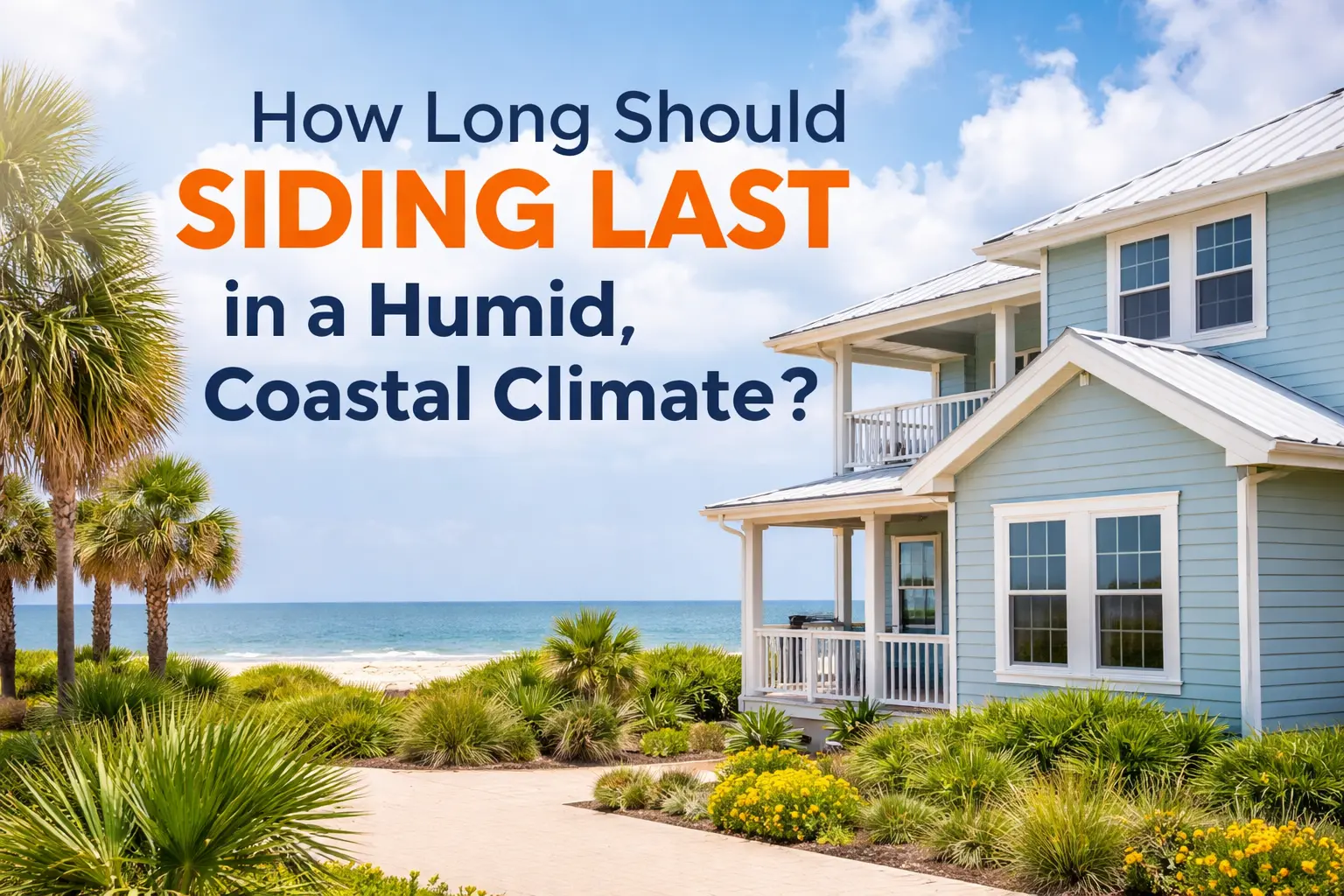
Homes along the Gulf Coast must stand up to weather that can slowly wear down exterior materials. In Southeast Louisiana, homes face high humidity, strong sunlight, heavy rain, and seasonal storms. Over time, these conditions affect every part of a house that is exposed to the outdoors.
One of the most important protective layers on any home is its siding. Siding covers the outer walls and shields the structure from moisture, wind, and heat. It also plays a major role in the home’s appearance and helps maintain comfortable indoor temperatures.
Like any part of a home, siding does not last forever. Even durable materials eventually begin to show signs of aging after years of exposure to the elements. Many homeowners begin to wonder how long their siding should last and when it may be time to replace it.
The answer depends on several factors. The type of siding material matters. The quality of installation also plays a major role. The environment around the home and the amount of maintenance the siding receives will also affect how long it lasts.
Understanding how siding performs in a humid coastal climate can help homeowners protect their homes and plan ahead for future improvements.
Table of Contents
- Key Takeaways
- Why Coastal Climates Are Hard on Siding
- The Lifespan of Common Siding Materials
- Why Installation Quality Matters
- Maintenance Helps Siding Last Longer
- Signs That Siding May Be Near the End of Its Life
- When Replacement May Be the Better Choice
- Conclusion
- Frequently Asked Questions (FAQs)
- How long does siding usually last in a humid coastal climate?
- What type of siding lasts the longest in humid climates?
- Does humidity damage siding?
- How can I tell if my siding needs to be replaced?
- Can siding last longer with proper maintenance?
- How does installation affect siding lifespan?
- What siding works best for homes near the coast?
- When is the best time to replace siding?
- Will replacing siding improve the value of my home?
- How do I choose the right siding contractor?
- Frequently Asked Questions (FAQs)
Key Takeaways
- Siding lifespan varies by material. Most siding lasts between 20 and 50 years, depending on the material used, the quality of installation, and the level of maintenance.
- Coastal climates place extra stress on siding. High humidity, strong sunlight, heavy rain, and storms in Southeast Louisiana can shorten siding lifespan if materials are not designed for these conditions.
- Vinyl siding typically lasts 20–30 years. It resists moisture and requires little maintenance, making it a common choice for homes in humid regions.
- Fiber cement siding can last 30–50 years. Its resistance to rot, insects, and moisture makes it a durable option for coastal climates.
- Wood siding often requires more maintenance. In humid areas, traditional wood siding usually lasts 15–25 years and needs regular sealing or painting to prevent damage.
- Proper installation is critical. Moisture barriers, flashing, and correct fastening techniques help siding perform properly and prevent water damage.
- Regular maintenance helps extend siding life. Annual inspections, occasional cleaning, and trimming nearby landscaping can prevent small problems from becoming major repairs.
- Watch for signs of aging siding. Warping, cracks, recurring mildew, and interior moisture may indicate that siding is reaching the end of its lifespan.
- Frequent repairs may signal it’s time for replacement. When siding requires constant fixes, replacing the system can provide better long-term protection and improve curb appeal.
- Choosing experienced professionals matters. Working with a knowledgeable siding contractor helps ensure proper installation and longer-lasting performance in humid coastal climates.
Why Coastal Climates Are Hard on Siding
The Gulf Coast climate creates conditions that can be challenging for many building materials. Homes in this region face constant exposure to moisture, sunlight, and storms.
Humidity is one of the biggest factors. In Southeast Louisiana, moisture remains in the air for much of the year. Even on dry days, the air still contains high levels of humidity.
Over time, moisture can find its way into small seams and joints in siding. Materials may absorb small amounts of water and then dry out again as temperatures change. This cycle repeats many times throughout the year. After many seasons, these small movements can weaken siding panels.
Sunlight also contributes to siding wear. Louisiana summers bring long hours of intense sunlight. Ultraviolet rays slowly break down some siding materials. Colors may fade, and certain surfaces may become weaker with age.
Storms add another layer of stress. Heavy rain and strong winds can push moisture into areas that normally remain dry. Wind can also loosen panels or cause small cracks to grow larger.
Homes located near large bodies of water may also experience exposure to salt carried in the air. Salt particles can speed up corrosion in metal fasteners and trim components that hold siding in place.
Imagine two homes built with the same siding. One sits farther inland, while the other sits closer to coastal waters. Over many years, the home near the water may begin showing signs of wear sooner because of higher humidity and salt exposure.
For this reason, siding installed along the Gulf Coast must be able to handle moisture, sunlight, and storms for many years.
The Lifespan of Common Siding Materials
Different siding materials last for different lengths of time. Some materials are better suited for humid climates than others.
Understanding how each type performs can help homeowners choose siding that will last longer in coastal environments.
Vinyl Siding
Vinyl siding is one of the most widely used siding materials in the United States. Many homeowners choose vinyl because it offers durability with minimal maintenance.
In most cases, vinyl siding lasts 20 to 30 years.
Vinyl performs well in humid climates because it does not absorb water. Unlike wood, it will not swell or rot when exposed to moisture.
Homeowners searching for vinyl siding in New Orleans often choose vinyl because it provides reliable protection while remaining cost-effective.
Even so, vinyl siding still faces challenges over time. Long exposure to sunlight can cause fading. High temperatures can also cause the material to expand. If the panels were installed too tightly, they may begin to warp.
Storm debris can also crack individual panels. When this happens, the damaged sections may need to be replaced.
When installed correctly and inspected occasionally, vinyl siding can protect a home for decades.
Fiber Cement Siding
Fiber cement siding is known for its strength and long lifespan. It is made from a combination of cement, sand, and wood fibers that create a dense and durable material.
Fiber cement siding often lasts 30 to 50 years.
One advantage of fiber cement is its resistance to rot and insect damage. Unlike wood siding, it does not absorb moisture easily.
The material also remains stable when temperatures change. This helps it perform well during both hot summers and cooler weather.
Homeowners researching siding companies in New Orleans often consider fiber cement when they want siding that can last many decades.
Although fiber cement is durable, proper installation and routine inspections are still important for maintaining its performance.
Engineered Wood Siding
Engineered wood siding was designed to offer the appearance of natural wood while improving durability.
This siding is made from wood fibers combined with resins and protective coatings. These treatments help protect the material from moisture and insects.
Engineered wood siding usually lasts 20 to 30 years.
Because the material is treated during manufacturing, it performs better than traditional wood siding in humid climates. However, it still contains wood fibers, so protective coatings should remain in good condition.
Regular inspections can help homeowners catch small problems early and extend the life of the siding.
Traditional Wood Siding
Wood siding has been used on homes for generations and remains popular for its natural appearance.
However, wood siding requires more maintenance than many modern materials.
In humid climates, wood siding often lasts 15 to 25 years, depending on how well it is maintained.
Wood absorbs moisture easily. Without regular sealing and painting, water may cause swelling, rot, or insect damage.
Because Southeast Louisiana experiences high humidity and frequent rain, wood siding may require more attention than vinyl or fiber cement siding.
Why Installation Quality Matters
The quality of installation has a major effect on how long siding lasts. Even strong materials may fail early if they are installed incorrectly.
A siding system includes more than the panels visible on the outside of the house.
Behind the siding, installers place protective barriers that help prevent water from reaching the structure of the home. These barriers guide moisture downward and away from the walls.
Flashing is installed around windows, doors, and seams. Flashing helps prevent rain from entering openings in the exterior.
Fastening methods are also important. Some siding materials expand and contract with temperature changes. Installers must allow room for this movement. If panels are nailed too tightly, they may buckle over time.
Homeowners searching for a reliable siding contractor in New Orleans should work with professionals who understand how siding systems perform in humid coastal climates.
Consider two homes that install the same siding material. One home includes proper flashing, moisture barriers, and installation techniques. The other skips some of these steps.
Ten years later, the first home may still have siding that looks strong and secure. The second home may already show signs of moisture damage behind the panels.
In many cases, the difference comes from the installation process rather than the siding material itself.
Maintenance Helps Siding Last Longer
Siding often lasts longer when homeowners provide simple routine care.
A yearly inspection is a good starting point. Walking around the home and looking closely at the siding can reveal small problems early. Homeowners may notice cracks, loose panels, or areas where moisture collects.
Cleaning siding occasionally can also help maintain its appearance. Dirt, pollen, and mildew may build up on exterior surfaces over time. Gentle cleaning removes these materials and helps prevent stains.
Landscaping around the home can also affect siding. Tree branches that touch the house may rub against the siding during windy weather. Over time, this contact can slowly wear down the surface.
Keeping plants trimmed away from the walls helps prevent this type of damage.
With basic care, siding can continue protecting a home for many years.
Signs That Siding May Be Near the End of Its Life
Siding rarely fails all at once. Most siding materials show signs of aging long before replacement becomes necessary.
One common sign is warping or buckling panels. When siding begins to bend outward, moisture may be trapped behind it.
Cracks or broken sections are another warning sign. These openings allow rainwater to reach the wall behind the siding.
Mildew that returns repeatedly in the same area may also indicate trapped moisture.
Sometimes the first clues appear inside the home. Peeling paint or damp spots on interior walls may show that water is entering from outside.
When several of these signs appear together, homeowners may want to begin planning for siding replacement.
When Replacement May Be the Better Choice
Homeowners often try to extend the life of aging siding by repairing damaged areas. Small repairs can help for a while.
Over time, repeated repairs can become costly. When siding requires frequent maintenance, replacing the system may provide better protection.
New siding can also improve the appearance of a home. Older siding may look faded or worn after many years of exposure to the weather.
A new siding installation refreshes the exterior while protecting the structure beneath it.
Conclusion
Siding plays an important role in protecting homes along the Gulf Coast. In Southeast Louisiana, siding must withstand humidity, strong sunlight, heavy rain, and powerful storms. Over many years, these conditions gradually affect exterior materials.
Most siding materials last 20 to 50 years, depending on the type of material, the quality of installation, and the care the home receives.
Vinyl siding often lasts around 20 to 30 years, while fiber cement siding may last 30 to 50 years. Wood siding can also last many years but usually requires more maintenance in humid climates.
Watching for early warning signs can help homeowners avoid larger problems. Warping panels, cracks, repeated mildew, or moisture inside the home may indicate that siding is beginning to wear out. When repairs become frequent, replacing the siding may provide stronger long-term protection.
Choosing the right siding material and working with experienced professionals can help ensure that your home remains protected for many years.
Homeowners researching vinyl siding in New Orleans or comparing siding companies in New Orleans often find that working with an experienced siding contractor in New Orleans makes a major difference in the quality and lifespan of the installation.
At Capital Improvement, we specialize in high-quality exterior installations that improve the durability, appearance, and value of your home.
And remember our promise:
“When You Hire Us, We’ll Be There!”
To learn more about siding options for your home, visit
https://www.capitalimprovement.com/contact/
Or call 504-733-5722 to schedule your consultation with the Capital Improvement team today.
Frequently Asked Questions (FAQs)
How long does siding usually last in a humid coastal climate?
Most siding lasts 20 to 50 years, depending on the material and how well it is installed and maintained. Coastal climates like Southeast Louisiana expose siding to humidity, strong sunlight, and heavy rain, which can shorten its lifespan if the material is not designed for these conditions.
What type of siding lasts the longest in humid climates?
Fiber cement siding is often one of the longest-lasting options in humid areas. It can last 30 to 50 years because it resists moisture, insects, and rot. Vinyl siding is also popular in coastal climates because it does not absorb water and requires little maintenance.
Does humidity damage siding?
Humidity alone does not always damage siding, but long-term exposure to moisture can affect some materials. Wood siding can absorb water and may swell or rot if not maintained. Other materials may expand and contract over time as moisture levels change.
How can I tell if my siding needs to be replaced?
Several signs may indicate that siding is reaching the end of its lifespan. These include warped panels, cracks, recurring mildew, loose siding, or moisture appearing inside the home. When repairs become frequent, replacement may be the better long-term solution.
Can siding last longer with proper maintenance?
Yes. Regular maintenance can help siding last longer. Homeowners can extend the life of siding by performing yearly inspections, cleaning the exterior occasionally, and trimming trees or plants that touch the house.
How does installation affect siding lifespan?
Installation plays a major role in siding performance. Proper moisture barriers, flashing around windows and doors, and correct fastening methods help protect the home from water damage. Poor installation can lead to early siding failure, even if the material itself is high quality.
What siding works best for homes near the coast?
Materials that resist moisture and handle temperature changes tend to perform best in coastal climates. Vinyl siding and fiber cement siding are commonly used because they hold up well in humid environments and require less maintenance than wood siding.
When is the best time to replace siding?
Siding can be replaced at any time of year, but many homeowners choose to schedule replacement when they begin noticing visible wear or damage. Replacing aging siding before moisture damage spreads can help protect the home’s structure and prevent larger repairs later.
Will replacing siding improve the value of my home?
New siding can improve curb appeal and protect the structure of the home. Many homeowners find that updated siding makes their property look newer and better maintained, which may increase its overall value.
How do I choose the right siding contractor?
Homeowners should look for contractors who have experience installing siding in humid coastal climates. A knowledgeable contractor understands proper installation techniques and can recommend materials that perform well in Southeast Louisiana conditions.
This article is a collaboration between Capital Improvement and OpenAI’s ChatGPT. Created on Mar 18, 2026, it combines AI-generated draft material with Capital Improvement’s expert revision and oversight, ensuring accuracy and relevance while addressing any AI limitations.