Table of Contents
- Key Takeaways
- Start With Your Home's Current Condition
- Decide What You Want Your Project to Accomplish
- Choose Projects That Provide Lasting Value
- Think About the Long Term
- Create a Budget That Fits Your Goals
- Understand the Remodeling Timeline
- Plan Around Louisiana's Weather
- Work With a Contractor Who Guides the Process
- Avoid Common Planning Mistakes
- Conclusion
- Frequently Asked Questions
- How do I know which exterior home improvement project should come first?
- How far in advance should I start planning an exterior remodeling project?
- Is it better to complete several exterior projects at the same time?
- How do I create a realistic remodeling budget?
- How long does an exterior remodeling project usually take?
- Why is planning especially important in Louisiana?
- What should I look for when choosing a home improvement contractor?
- Can I remodel my home's exterior in stages?
- Recommended Reading
Planning an exterior home improvement project should be exciting. After all, you’re making an investment in your home and creating a place your family can enjoy for years to come. Still, many homeowners delay projects because they aren’t sure where to begin. They know they want to improve their home, but they don’t know which project should come first or how to create a plan that fits their budget.
If that sounds familiar, you’re not alone.
It’s easy to become overwhelmed by all the choices. You may spend hours looking at photos online, comparing products, or reading reviews from other homeowners. Before long, the project that once seemed exciting starts to feel complicated.
The good news is that successful home improvement planning doesn’t require having every answer on day one. The best projects begin with a simple plan and move forward one step at a time. When you understand your home’s needs, set clear priorities, and work with experienced professionals, the process becomes much easier.
For homeowners considering exterior remodeling in Louisiana, planning is especially important. Our homes face year-round challenges from heat, humidity, heavy rain, and seasonal storms. Choosing the right improvements in the right order helps protect your investment while creating a home that’s more comfortable, attractive, and enjoyable to live in.
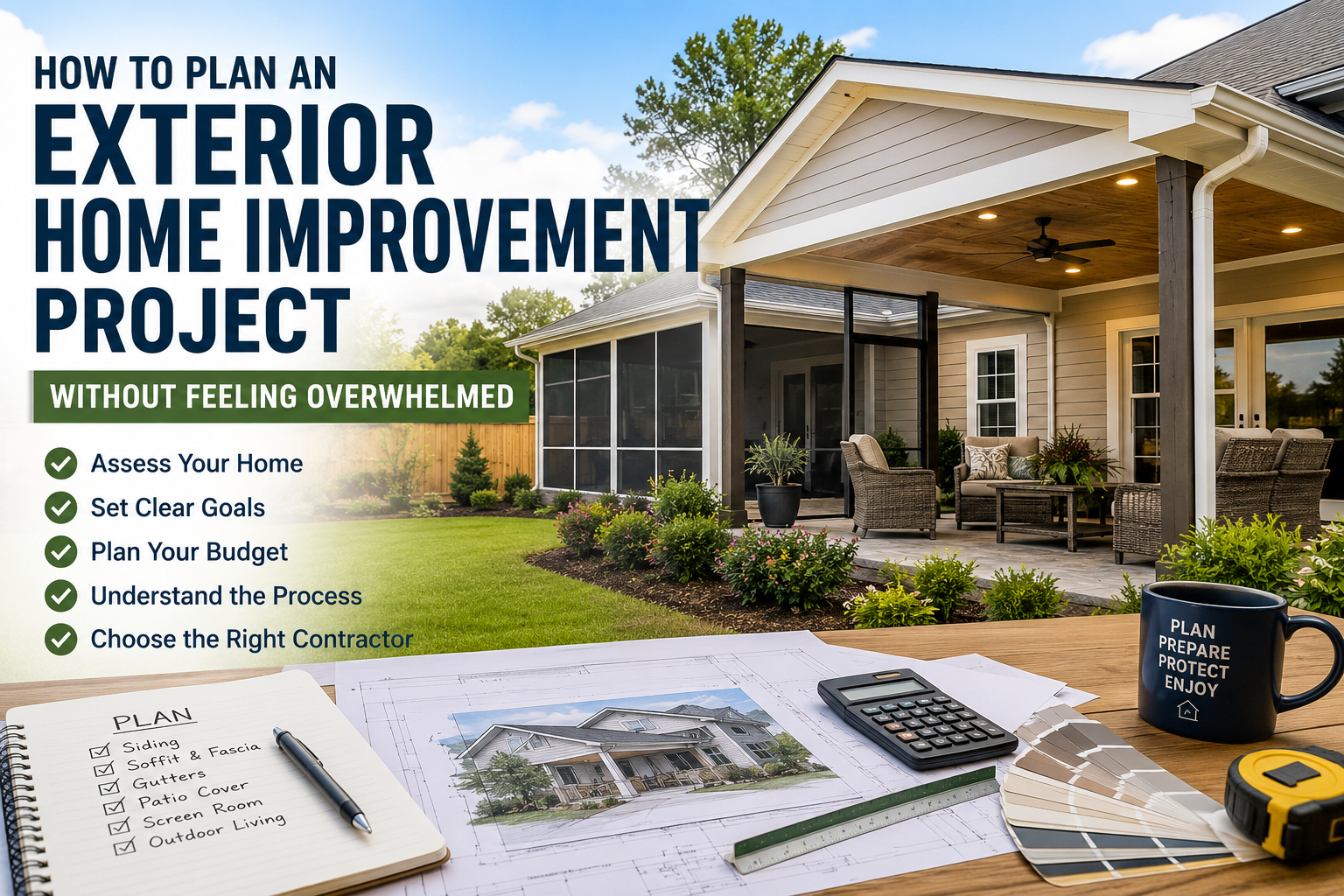
This guide explains how to plan an exterior remodeling project without feeling overwhelmed. You’ll learn how to evaluate your home’s condition, decide which improvements deserve priority, create a realistic budget, understand the remodeling process, and work with an experienced home improvement contractor in Metairie. By the end, you’ll have a clear path forward and the confidence to begin planning your project.
Key Takeaways
- Start with your home’s current condition. Before choosing products or comparing prices, inspect your home’s exterior to identify which improvements are most important.
- Separate needs from wants. Focus on projects that protect your home first, then plan improvements that increase comfort, curb appeal, and outdoor living.
- Set clear goals before making decisions. Knowing what you want to accomplish makes it easier to choose the right products and create a realistic remodeling plan.
- Think long term. Exterior improvements should provide lasting value by protecting your home, improving daily living, and supporting future projects.
- Create a realistic budget. Build a budget around your home’s unique needs rather than relying on average project costs, and leave room for unexpected conditions.
- Understand the remodeling process. Knowing what happens before installation begins helps reduce stress and sets realistic expectations for your project’s timeline.
- Plan around Louisiana’s climate. Heat, humidity, heavy rain, and seasonal storms make early planning especially important for exterior remodeling projects.
- Choose an experienced contractor. Clear communication, detailed planning, and professional guidance help make the remodeling process smoother from start to finish.
- Take a phased approach if needed. You don’t have to complete every project at once. Many homeowners achieve excellent results by improving their homes over time.
- Planning builds confidence. A thoughtful plan helps you make informed decisions that protect your investment and create a home you’ll enjoy for years to come.
Start With Your Home’s Current Condition
Many homeowners begin planning by collecting ideas. They save photos of beautiful homes, browse remodeling websites, or notice attractive projects while driving through the neighborhood. Looking for inspiration is a great way to discover what you like, but it shouldn’t be the first step in planning your own project.
Instead, begin by looking at your home as it is today.
Walk around your house slowly and pay attention to every part of the exterior. Instead of asking yourself how the house could look, ask how well it’s performing. Think about the parts of your home that protect it from the weather and the areas your family uses every day.
As you walk around your property, look closely at the:
- Siding
- Soffit and fascia
- Gutters
- Patio cover or patio area
- Screen room, if you have one
- Trim and decorative features
- Entryways
- Outdoor living spaces
Bring your phone with you and take pictures of anything that catches your attention. Photos make it easier to compare different areas of your home later and help you remember questions you’d like to ask during a consultation.
As you make your way around the house, you’ll probably notice that your list falls into two groups.
The first group includes improvements your home needs. These are projects that help protect your home or replace older materials that have reached the end of their service life.
The second group includes improvements you want. These projects improve comfort, appearance, or the way your family enjoys the property.
Both groups are important. The difference is deciding which projects should come first.
Imagine a homeowner who wants to add a covered outdoor living area for family gatherings. During their inspection, they notice that several exterior materials have aged over time and should be replaced first. By taking care of those improvements before adding new outdoor features, they’re building their next project on a stronger foundation.
Looking at your home this way removes much of the guesswork from home improvement planning. Instead of wondering where to begin, you allow your home’s condition to help guide your decisions.
Decide What You Want Your Project to Accomplish
Once you understand your home’s current condition, it’s time to think about your goals.
Many homeowners skip this step and jump straight into comparing products or requesting estimates. While it’s natural to be curious about materials and costs, it’s much easier to make those decisions after you’ve decided what you want your project to achieve.
Ask yourself one simple question:
“When this project is finished, what do I want my home to do better than it does today?”
Your answer may focus on protection.
Perhaps you’re ready to replace older exterior materials that have served your home well for many years.
Your answer may focus on comfort.
You might want a shaded outdoor space where you can relax with family or entertain friends throughout much of the year.
Or maybe your goal is improving curb appeal so your home reflects your personal style and makes a stronger first impression.
There’s no single right answer. Every homeowner has different priorities, and every home has different needs.
The important thing is knowing your goal before you begin comparing products or making design decisions. Once your priorities are clear, every choice becomes easier because you’re working toward a specific outcome instead of trying to compare dozens of unrelated options.
Choose Projects That Provide Lasting Value
Every exterior remodeling project improves your home in some way, but some improvements continue paying you back long after the work is complete.
Instead of thinking only about appearance, think about how each project will affect your daily life over the next five, ten, or even twenty years.
Will it make your home easier to maintain?
Will it give your family a more enjoyable place to spend time together?
Will it improve the way your home handles Louisiana’s weather?
These questions help you look beyond today’s project and think about your home as a long-term investment.
Protect Your Home First
Every part of your home’s exterior works together.
Siding protects the walls of your home. Soffit and fascia help support proper ventilation while creating a finished appearance. Gutters move rainwater away from the house, helping protect both the exterior and the foundation.
When one of these components begins to wear out, it’s often a good idea to look at the others as well. Planning related improvements together can create a more consistent appearance while helping your home perform as it should.
If you’re considering replacing older exterior materials, learning more about siding, soffit, and fascia can help you understand how these systems work together and why many homeowners choose to update them during the same project.
For homeowners planning exterior remodeling in Louisiana, these improvements are especially important because they help protect the home from heat, humidity, heavy rainfall, and changing weather conditions throughout the year.
Improve the Way You Enjoy Your Home
Once your home’s exterior is in good condition, many homeowners begin thinking about how they use their outdoor space.
Take a moment to picture a typical weekend at home.
Would you spend more time outside if you had a comfortable place to sit in the shade?
Would family dinners move outdoors during pleasant evenings?
Would your grandchildren have a favorite place to gather when they visit?
These are the kinds of improvements that often have the greatest effect on everyday life.
A backyard doesn’t have to be large to become one of your favorite places. It simply needs to be comfortable enough that you want to spend time there.
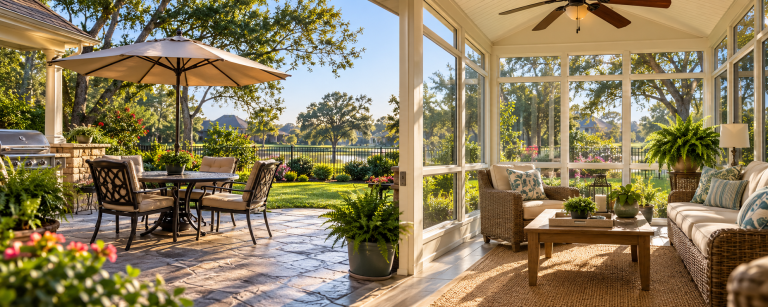
Professionally designed patio covers provide welcome shade while creating an outdoor space that feels like a natural extension of your home. Instead of avoiding the patio during the hottest parts of the day, you can enjoy the space more often throughout the year.
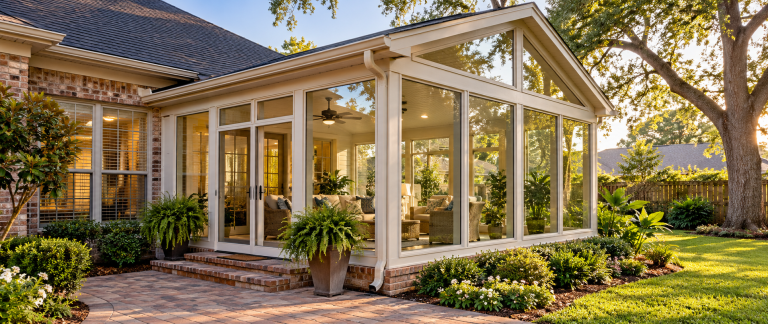
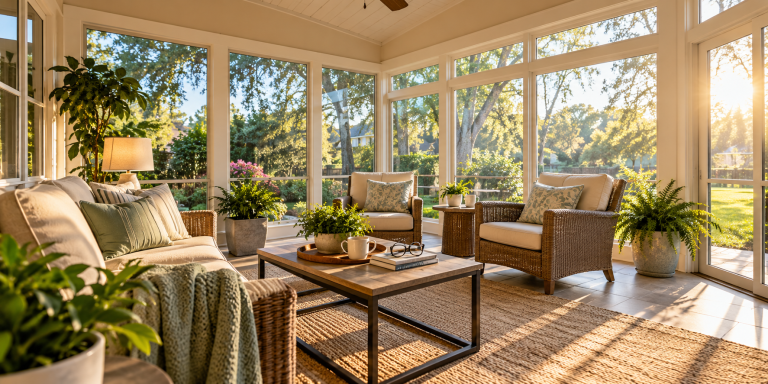
Some homeowners want even more protection while still enjoying fresh air and backyard views. In those situations, custom screen rooms create comfortable spaces where you can relax, read, entertain guests, or enjoy your morning coffee without many of the distractions that often keep people indoors.
Projects like these don’t simply add features to your home. They create spaces where memories are made and everyday life becomes more enjoyable.
Think About the Long Term
It’s easy to believe every improvement has to happen at once.
In reality, many homeowners achieve excellent results by completing projects in stages.
You may decide to replace older exterior materials this year and add a patio cover later. After that, you might create a screen room or complete additional outdoor living improvements.
Each project builds on the one before it.
Planning this way gives you time to make thoughtful decisions without feeling rushed. It also allows you to spread your investment over time while keeping your long-term goals in focus.
Instead of asking, “What can I finish this year?” ask, “What sequence of projects makes the most sense for my home?”
That simple change in thinking often makes the entire planning process feel much more manageable.
Create a Budget That Fits Your Goals
After you’ve decided which projects should come first, it’s time to build a budget. This is often the part of home improvement planning that causes the most stress. Many homeowners search online for average remodeling costs, only to find a wide range of prices that make it even harder to know what to expect.
The truth is that no two homes are exactly alike. Homes with similar floor plans can require different levels of work based on their age, the condition of existing materials, and the improvements the homeowner wants to make.
Instead of asking, “What does this type of project usually cost?” ask a different question:
“What investment makes sense for my home and my goals?”
That question keeps the focus where it belongs—on your home and the improvements that matter most to you.
A good way to organize your budget is to separate your projects into two categories. The first includes improvements that should be completed soon because they help protect your home. The second includes projects that improve comfort, outdoor living, or appearance and can be completed later if needed.
This approach allows you to create a plan that fits your finances without feeling like you have to complete everything at once.
Many homeowners also find it helpful to think in terms of a budget range instead of one exact number. Having some flexibility allows you to compare products, explore design options, and make informed decisions without feeling pressured.
It’s also smart to leave room in your budget for unexpected conditions.
For example, imagine you’re replacing older siding. Once the existing materials are removed, your contractor may discover a small section that needs additional preparation before the new siding can be installed. Planning for situations like this helps keep the project moving without creating unnecessary surprises.
A realistic budget isn’t just about numbers. It gives you peace of mind because you know you’ve planned for both the expected and the unexpected.
Understand the Remodeling Timeline
Every homeowner looks forward to the day construction begins, but there’s important work that happens before installation starts.
Understanding the process helps set realistic expectations and makes the entire project feel more organized.
The first step is usually a consultation.
During this meeting, you’ll talk about your goals, discuss your home’s current condition, and explore different solutions that fit your priorities. This is the time to ask questions, share ideas, and learn about the products that may be right for your home.
Once you’ve decided on the scope of the project, you’ll begin selecting materials, colors, and design features. This stage is exciting because your ideas begin to take shape.
After those decisions have been made, materials are ordered.
Some exterior products are manufactured specifically for your home, so delivery times may vary. Planning ahead gives you more options and helps avoid unnecessary delays.
Before installation begins, your contractor will confirm the schedule and take care of any permits that may be required.
Finally, installation can begin.
Depending on the size of the project, the work may take several days or longer. Weather, product availability, and the overall scope of the project can all affect the schedule.
When installation is complete, you’ll walk through the finished project with your contractor to make sure everything meets your expectations.
Knowing what happens at each stage helps remove much of the uncertainty that homeowners often feel before construction begins.
Plan Around Louisiana’s Weather
Weather plays a major role in exterior remodeling in Louisiana.
Our region experiences hot summers, high humidity, heavy rain, and the possibility of tropical weather. While experienced contractors know how to work around changing conditions, homeowners also benefit from planning ahead.
Waiting until a project becomes urgent can limit your options.
For example, if you wait until exterior materials have badly worn down, you may feel pressured to make quick decisions. Starting the planning process earlier gives you more time to compare products, discuss ideas, and schedule your project at a time that works well for you.
Planning ahead also gives you more flexibility if weather causes a temporary delay.
Although no one can control the forecast, beginning the process early makes it easier to stay on schedule and avoid unnecessary stress.
Work With a Contractor Who Guides the Process
Choosing the right contractor is one of the most important decisions you’ll make.
A remodeling project involves more than installing products. It also requires planning, communication, and attention to detail from the first meeting through the final walkthrough.
An experienced home improvement contractor in Metairie should help simplify the process by explaining your options, answering your questions, and helping you make decisions that fit your goals.
The first consultation should feel like a conversation.
A good contractor takes the time to understand what you want to accomplish before making recommendations. They should ask questions about how you use your home, discuss your priorities, and explain the benefits of different products without rushing you into a decision.
Clear communication should continue throughout the project.
You should understand what work will be completed, which products have been selected, and how the project is progressing. A detailed proposal should explain the scope of work, the materials being installed, the project schedule, and the investment involved.
When everyone understands the plan from the beginning, the project usually moves much more smoothly.
Avoid Common Planning Mistakes
Even well-planned projects can become more difficult when homeowners make a few common mistakes.
One of the biggest mistakes is waiting too long to begin planning.
Exterior remodeling projects take time to organize. Starting early gives you more opportunities to compare products, review your options, and make decisions without feeling rushed.
Another mistake is choosing a contractor based only on price.
While staying within your budget is important, the lowest price doesn’t always provide the best value. Experience, product quality, communication, and workmanship all play a role in the success of your project.
Some homeowners also believe they need to complete every improvement at the same time.
That’s rarely necessary.
Many successful remodeling projects are completed in phases. Protecting your home’s exterior first and adding outdoor living features later often makes financial sense while still moving you toward your long-term goals.
Finally, don’t hesitate to ask questions.
A contractor should welcome them. The more you understand before work begins, the more comfortable you’ll feel throughout the project.
Conclusion
Planning an exterior home improvement project doesn’t have to feel overwhelming. When you take the process one step at a time, each decision becomes easier to make.
Start by looking at your home’s current condition instead of focusing only on design ideas. Decide which improvements should come first, build a budget that fits your goals, and allow enough time to plan your project carefully. Remember that you don’t have to complete every improvement at once. Many homeowners achieve excellent results by completing projects in stages, with each improvement building on the one before it.
Working with an experienced home improvement contractor in Metairie can also make the process much easier. The right contractor will help you understand your options, answer your questions, and create a plan that fits both your home and your budget.
If you’re ready to begin your next exterior remodeling Louisiana project, the team at Capital Improvement is ready to help. We’ll work with you to develop a plan that fits your goals and helps you make confident decisions from start to finish.
When You Hire Us, We’ll Be There!
Visit https://www.capitalimprovement.com/contact/ or call 504-733-5722 to schedule your consultation with Capital Improvement today.
Frequently Asked Questions
How do I know which exterior home improvement project should come first?
Start by evaluating your home’s current condition. Projects that help protect your home’s exterior, such as replacing aging siding, soffit, fascia, or gutters, should usually take priority before cosmetic or lifestyle improvements.
How far in advance should I start planning an exterior remodeling project?
It’s a good idea to begin planning several months before you’d like construction to begin. Early planning gives you time to compare products, discuss options with a contractor, and schedule your project around your preferred timeline.
Is it better to complete several exterior projects at the same time?
It depends on your budget, your home’s condition, and your goals. Some projects work well together and can improve efficiency, while others can be completed in phases over several years.
How do I create a realistic remodeling budget?
Start by identifying your highest priorities and deciding what improvements are most important. Build your budget around those goals instead of relying on national averages, and include a contingency for unexpected conditions that may be discovered during the project.
How long does an exterior remodeling project usually take?
Every project is different. The timeline depends on the scope of work, product availability, permitting requirements when applicable, weather conditions, and the size of the home. Your contractor can provide a schedule based on your specific project.
Why is planning especially important in Louisiana?
Louisiana’s climate includes high humidity, heavy rainfall, strong sunlight, and seasonal storms. Careful planning helps homeowners choose products that perform well in these conditions while allowing enough time to schedule work before weather becomes a factor.
What should I look for when choosing a home improvement contractor?
Look for a contractor with experience, a strong reputation, clear communication, detailed project proposals, and knowledge of local building conditions. A good contractor should answer your questions, explain your options, and help you make informed decisions throughout the project.
Can I remodel my home’s exterior in stages?
Yes. Many homeowners complete exterior improvements over time. Taking a phased approach allows you to prioritize essential projects first while planning future improvements as your budget and goals evolve.
This article is a collaboration between Capital Improvement and OpenAI’s ChatGPT. Created on July 10, 2026, it combines AI-generated draft material with Capital Improvement’s expert revision and oversight, ensuring accuracy and relevance while addressing any AI limitations.
This article is a collaboration between Capital Improvement and OpenAI’s ChatGPT. Created on July 13, 2026, it combines AI-generated draft material with Capital Improvement’s expert revision and oversight, ensuring accuracy and relevance while addressing any AI limitations.
Recommended Reading
1. Remodeling Impact Report
Source: National Association of REALTORS® (NAR)
Why it’s worth reading:
This report examines how different home improvement projects affect homeowner satisfaction, everyday enjoyment, and perceived value. It provides useful data for homeowners planning exterior improvements and helps prioritize projects based on lifestyle benefits rather than cost alone.
URL:
https://www.nar.realtor/research-and-statistics/research-reports/remodeling-impact-report
2. Exterior Maintenance and Repair
Source: U.S. Department of Housing and Urban Development (HUD)
Why it’s worth reading:
Although focused on maintenance, this HUD resource explains how exterior building components work together to protect a home. It offers valuable background information that can help homeowners better understand why planning and prioritizing exterior improvements is so important.
URL:
https://www.hud.gov/program_offices/housing/sfh/reo/mm/mmmaintenance
3. Planning a Home Renovation Project
Source: Consumer ReportsWhy it’s worth reading:
Consumer Reports provides practical guidance on budgeting, hiring contractors, setting expectations, and avoiding common remodeling mistakes. Its independent, consumer-focused advice complements this article by helping homeowners make informed decisions before construction begins.
URL:
https://www.consumerreports.org/home-garden/home-renovations/