For every homeowner in Metairie, the Garden District, and across the entire New Orleans area, a date looms large on the calendar: June 1st. This marks the official start of our hurricane season, a period of six months that requires our vigilance and preparation. In a region where tropical cyclones have caused over $200 billion in damages since 1980, with an average of 27 such events affecting Louisiana in that time frame, proactive storm preparedness isn’t just a suggestion—it’s a critical component of homeownership.
At Capital Improvement, located right here in Metairie, we’ve seen firsthand the devastating impact of hurricanes on our community. We know that the best defense is a strong offense, and that means fortifying the first line of defense for your most valuable asset: your home’s exterior. Preparing for hurricane season goes far beyond stocking up on water and batteries; it involves a comprehensive assessment and strengthening of your home’s “envelope” – the roof, siding, windows, doors, and all the features that protect the interior from wind, rain, and debris. This article will guide you through a thorough checklist to ensure your home is as storm-ready as possible, highlighting key areas where professional expertise can make all the difference.
- The Statistics: Why We Take Hurricane Prep So Seriously
- Your Hurricane Season "To-Do" Checklist
- II. The Home's Skin: Siding and Exterior Walls
- III. The Entry Points: Windows and Doors
- IV. The Outdoor Living Spaces: Sunrooms, Patio Covers, and Pergolas
- FAQs About Hurricane Prep for Your Home's Exterior
- How far in advance should I start preparing for hurricane season?
- Is my vinyl siding strong enough to withstand hurricane winds?
- Is it better to have DIY hurricane panels or professional shutters?
- What's the biggest mistake people make when preparing their home's exterior?
- Will my home insurance cover all hurricane damage?
- Final Thoughts: Partner with a Proactive Partner
The Statistics: Why We Take Hurricane Prep So Seriously
The numbers tell a compelling story about the importance of being prepared:
- Frequency: The National Oceanic and Atmospheric Administration (NOAA) reports that an average Atlantic hurricane season sees 14 named storms, 7 of which become hurricanes.
- Cost of Damage: According to NOAA, tropical cyclones are the most costly type of weather disaster, causing over $1.5 trillion in total damages across the U.S. since 1980. For Louisiana specifically, tropical cyclones account for a staggering 86% of all billion-dollar weather disaster costs over that same period. The average cost per event for tropical cyclones is $23 billion.
- Preventive Measures: An independent study found that every $1 spent on hazard mitigation, like strengthening a home’s exterior, saves an average of $6 in post-disaster recovery costs.
These statistics underscore a simple truth: investing in your home’s exterior protection now can save you from catastrophic financial losses and stress later.
Your Hurricane Season “To-Do” Checklist
This isn’t a last-minute list for a looming storm; it’s a proactive guide for the weeks leading up to and during hurricane season. We recommend tackling these tasks well before a storm threatens our area.
I. The Roofline Defense: Gutters, Soffit, and Fascia
The gutter system is your home’s primary line of defense against water damage, and it needs to be in perfect working order before a storm. A compromised gutter can lead to water pooling, which can erode your foundation, rot your fascia boards, and cause costly leaks inside your home.
To-Do List: Gutters, Soffit, and Fascia
- Clear Gutters and Downspouts: This is a non-negotiable first step. Clogged gutters can quickly overflow, directing large volumes of water down your walls and onto your foundation. Remove all leaves, twigs, and debris.
- Inspect for Damage: Look for any loose or sagging gutters, missing sections, or cracked seams. Check for corrosion, especially at joints. A loose gutter can become a dangerous projectile in high winds.
- Securely Fasten: Ensure your gutters are tightly secured to your fascia boards. If you have sectional gutters, check that all connectors are tight and properly sealed.
- Check Downspouts: Verify that your downspouts are properly angled and extend far enough from the foundation to drain water away from your home. Consider adding extenders to guide water at least 5-10 feet away.
- Inspect Soffit and Fascia: Your soffit (the material under the eaves) and fascia (the board along the roofline) protect your home from moisture and pests. Look for any signs of water damage, rot, or holes. These areas must be intact to prevent wind and rain from entering your attic and roof space.
Capital Improvement’s Expertise: We specialize in installing seamless gutters, which are a superior choice for storm-prone regions. With fewer seams, they drastically reduce the chance of leaks and clogs. We also expertly install and repair soffit and fascia, ensuring your roofline is a cohesive, fortified unit.
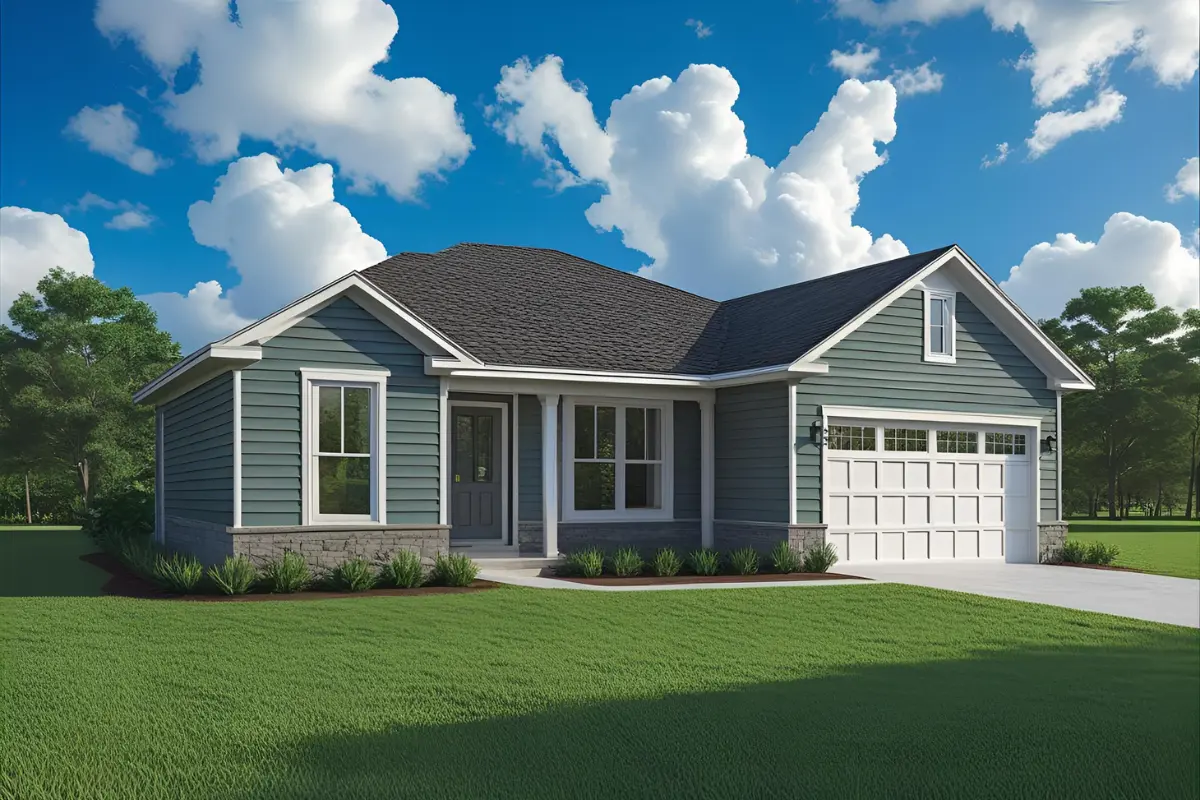
II. The Home’s Skin: Siding and Exterior Walls
Your home’s siding is its “skin,” and any vulnerabilities can lead to significant interior damage from wind-driven rain.
To-Do List: Siding and Exterior Walls
- Inspect Siding: Walk around your home and inspect all siding panels. Look for any loose, cracked, or missing pieces.
- Secure Loose Panels: For vinyl siding, ensure all panels are properly “locked” into place. A loose piece of vinyl siding can create an opening for wind to get behind, potentially peeling off a large section of your home’s exterior.
- Caulk and Seal: Check all areas where your siding meets other materials—windows, doors, and corners. Apply fresh, high-quality caulk to seal any gaps. This is crucial for preventing water intrusion.
- Address Damage: If you have any holes, cracks, or rot in your siding, have them repaired immediately. In a storm, these small issues can become large points of failure.
- Clear the Perimeter: Remove any vines or heavy foliage from your home’s exterior. In a storm, these can become heavy with rain and pull on your siding.
Capital Improvement’s Expertise: We are experts in installing durable, high-quality vinyl siding that is designed to withstand significant wind loads. We ensure every piece is meticulously fastened and sealed, providing a robust, low-maintenance, and storm-ready exterior for your home.
III. The Entry Points: Windows and Doors
Windows and doors are often the most vulnerable points of a home. A failure here can lead to a sudden and dangerous increase in internal pressure, which can cause the roof to be lifted off.
To-Do List: Windows and Doors
- Windows:
- Inspect and Seal: Check the caulking around all windows. Replace any old, cracked caulk with a fresh, flexible, and waterproof sealant.
- Secure Shutters: If you have hurricane shutters or panels, inspect their condition and the mounting hardware. Ensure the shutters are clean, functional, and that you have all the necessary fasteners on hand. Practice installing them to ensure a tight fit.
- Secure with Plywood (DIY): If you don’t have shutters, cut and pre-drill plywood panels to fit each window. Label them and store them in an accessible place so you can quickly install them when a storm approaches.
- Doors:
- Inspect and Secure: Check all exterior doors, including garage doors. Ensure that the door frame is tightly anchored to the wall structure. Add longer screws to the hinges and latch plates for increased strength.
- Reinforce Garage Doors: Garage doors are particularly vulnerable to high winds. Consider installing a horizontal brace kit to reinforce the door.
Capital Improvement’s Expertise: We install high-quality exterior doors that are designed for durability and weather resistance. We also have extensive experience with various patio covers and enclosures, and can guide you on the best methods for protecting these glass-heavy areas during a storm.
IV. The Outdoor Living Spaces: Sunrooms, Patio Covers, and Pergolas
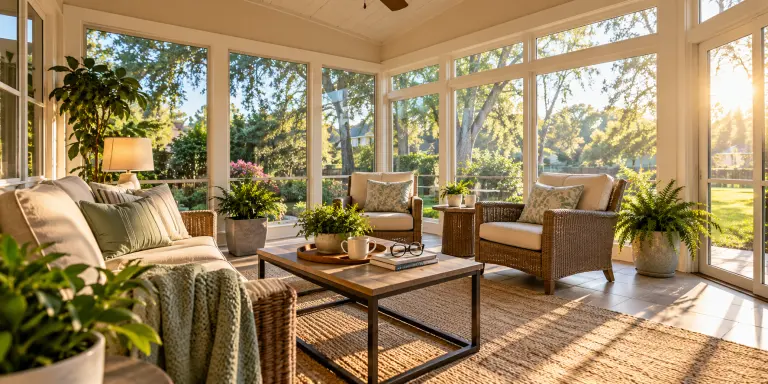
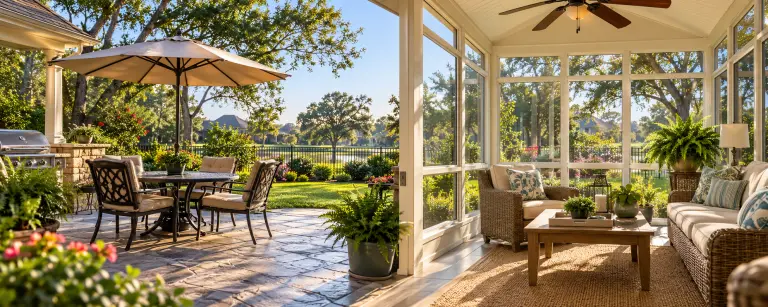
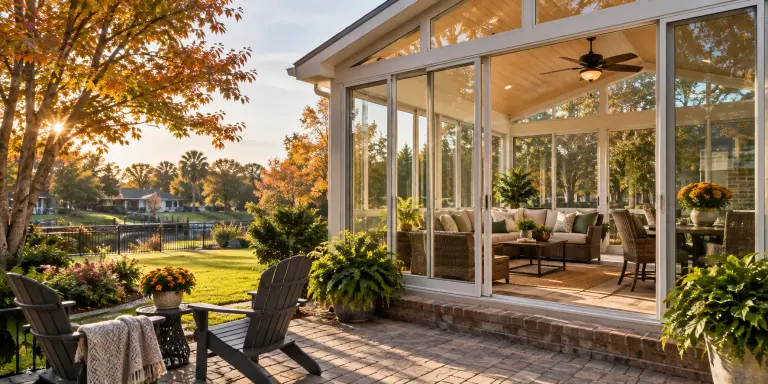
For homes with added outdoor structures, hurricane preparation takes on an additional layer of importance. These structures must be secured to prevent them from becoming damaged or, worse, causing damage to your main home.
To-Do List: Sunrooms, Patio Covers, and Pergolas
- Patio Covers and Pergolas:
- Inspect and Reinforce: A professionally installed patio cover or pergola from Capital Improvement is built to withstand high winds. However, it’s always wise to perform a visual inspection. Check all connections, bolts, and fasteners to ensure they are tight and secure.
- Clear from Debris: Remove any items from the roof of the cover that could become wind-borne.
- Sunrooms and Screen Rooms:
- Check Windows and Doors: Just like your home’s other entry points, check all windows and doors in your sunroom for proper sealing and function.
- Protect Glass: For sunrooms and screen rooms with glass, the same principles for window protection apply. Shutters or panels are the most effective way to protect these larger glass areas from flying debris.
- Clear the Interior: Remove or secure all furniture, plants, and loose items from your sunroom and screen room. Anything not secured can become a dangerous projectile inside the room.
FAQs About Hurricane Prep for Your Home’s Exterior
How far in advance should I start preparing for hurricane season?
You should start your major preparations well before June 1st. Many of the tasks, such as gutter cleaning and siding inspection, are best done in the spring. Don’t wait until a storm is in the Gulf. This allows you to schedule professional inspections and repairs without the frantic rush and limited availability that comes with a storm threat.
Is my vinyl siding strong enough to withstand hurricane winds?
Yes, high-quality, modern vinyl siding, when properly installed, is designed to withstand significant wind loads. The key is “properly installed.” Vinyl siding is designed to float on its fasteners to allow for expansion and contraction. If it is nailed too tightly, it can buckle or crack in a storm. If it is not fastened securely at all points, wind can get behind it and peel it off. This is why professional installation from a trusted contractor like Capital Improvement is so important.
Is it better to have DIY hurricane panels or professional shutters?
While plywood panels can offer basic protection, professional hurricane shutters (such as roll-down, accordion, or storm panels) are a superior choice. They are tested to withstand hurricane-force winds and impacts, are easier and faster to deploy, and are a long-term investment. They are also often required by local building codes for homes in specific wind zones.
What’s the biggest mistake people make when preparing their home’s exterior?
The biggest mistake is failing to address small, seemingly insignificant issues. A small gap in the caulk, a single loose piece of siding, or a slightly sagging gutter can become a major point of failure during a storm. A proactive, comprehensive inspection of your home’s exterior is the best way to identify and fix these vulnerabilities before they become catastrophic.
Will my home insurance cover all hurricane damage?
It is crucial to review your insurance policies with your agent well before hurricane season. Most standard homeowner’s policies do not cover flood damage, which requires a separate flood insurance policy (available through the National Flood Insurance Program). Your windstorm and hail coverage may also have a separate deductible, often a percentage of your home’s value. Understanding your coverage is a critical part of being prepared.
Final Thoughts: Partner with a Proactive Partner
Hurricane season is a part of life in New Orleans, but it doesn’t have to be a source of constant dread. By taking a proactive approach and ensuring your home’s exterior is ready for the challenges ahead, you are not only protecting your investment but also providing a haven of safety for your family.
At Capital Improvement, we are more than just a contractor; we are your partners in building a more resilient home. We offer expert inspections, durable materials, and professional installation for all the critical components of your home’s exterior defense—from seamless gutters and high-quality siding to reinforced patio covers and sunrooms.
Ready to get your home storm-ready? Contact Capital Improvement today for a free, no-obligation inspection and quote on any of your exterior needs. Let’s work together to ensure your home is prepared for whatever this hurricane season brings.