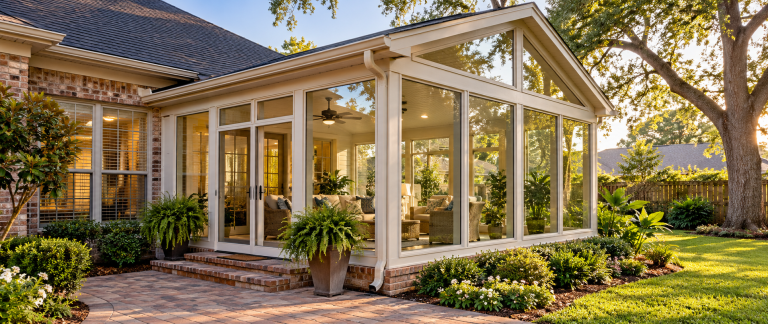

- Why Professional Installation Makes Exterior Home Improvements Last Longer
- Key Takeaways
- Installation Quality Affects the Entire Project
- Accurate Measurements Set the Direction
- Proper Fastening Supports Long-Term Performance
- Structural Support Begins Below the Finished Surface
- Manufacturer Instructions Protect Product Performance
- Small Details Shape the Finished Result
- Different Exterior Projects Require Different Skills
- Choosing a Home Improvement Contractor in Louisiana
- Conclusion
- Frequently Asked Questions
- Why does professional installation matter for exterior home improvements?
- Can high-quality materials fail when installed incorrectly?
- What should be measured before an exterior installation begins?
- Why are manufacturer installation instructions important?
- Why are manHow does Louisiana weather affect exterior installation?ufacturer installation instructions important?
- What installation details affect the life of siding?
- What makes proper patio cover installation so important?
- How should homeowners compare exterior remodeling contractors?
- Is the lowest estimate always the best value?
- Which exterior improvements benefit from professional installation?
- Recommended Reading
Why Professional Installation Matters for Exterior Home Improvements
Most homeowners spend a great deal of time choosing products for an exterior remodeling project. They compare colors, materials, styles, warranties, and prices. They want improvements that look good, fit the home, and provide value for many years.
Those choices matter, but the quality of the installation matters just as much.
Even a well-made product may not perform as expected when it is installed the wrong way. A patio cover must connect to the home correctly. Siding must be placed with the right spacing. Gutters need the proper slope. Screen rooms and sunrooms must be square, stable, and securely attached.
Each part of the project affects the finished result.
This is especially true in Louisiana. Homes in the Greater New Orleans area face intense sun, high humidity, heavy rain, strong winds, and tropical weather. These conditions place steady pressure on every part of a home’s exterior. A small installation mistake may not be easy to see at first, but it can become more noticeable after years of exposure.
Professional installation involves more than placing materials and fastening them together. It begins with careful planning. It includes accurate measurements, proper attachment methods, sound structural support, and close attention to the details that affect appearance and performance.
Homeowners exploring professional home improvement services should look beyond the products listed in an estimate. They should also consider how the work will be planned, installed, checked, and completed.
The craftsmanship behind the project often determines how well the improvement serves the home over time.
Key Takeaways
- Product quality matters, but installation quality has a major effect on how long exterior improvements last.
- Accurate measurements help patio covers, siding, gutters, screen rooms, and other projects fit the home correctly.
- Proper fasteners, spacing, and attachment points help exterior materials handle Louisiana heat, humidity, rain, and wind.
- Strong structural support should be planned before materials are installed.
- Manufacturer instructions guide spacing, drainage, fastening, and material movement.
- Small details, such as level lines, clean trim, and proper gutter pitch, affect both appearance and performance.
- Homeowners should compare contractors based on planning, installation methods, communication, and workmanship—not price alone.
- A well-installed project is more likely to provide dependable performance and long-term value.
Installation Quality Affects the Entire Project
Many homeowners believe that premium materials will always produce premium results. Quality products are an important part of a remodeling project, but they cannot make up for poor installation.
A home’s exterior works as a group of connected systems.
Siding helps shield exterior walls from weather. Gutters collect rainwater and guide it toward downspouts. A patio cover provides shade while carrying its own weight and handling wind and rain. A screen room must stay square so its doors, framing, and screen panels continue to fit properly.
None of these features works alone.
A mistake in one area can affect nearby parts of the home. A gutter with the wrong pitch may hold water instead of moving it away. Siding installed too tightly may not have enough room to move as temperatures change. A patio cover attached at weak points may not have the support needed for years of changing weather.
Experienced installation professionals study how new materials will connect with the existing home. They look at rooflines, framing, slopes, clearances, drainage paths, and attachment points before work begins.
Consider two homeowners who choose the same patio cover from the same manufacturer. Both select the same size, style, and finish. When the projects are complete, both patio covers look good.
The difference may not appear until years later.
One was measured with care, attached to proper structural points, and installed according to the manufacturer’s instructions. The other was installed with uneven spacing and less careful alignment.
After years of sun, rain, and strong winds, one still looks straight and secure. The other may show movement, uneven lines, or drainage problems.
The materials were the same. The installation process created the difference.
Accurate Measurements Set the Direction
A successful exterior project starts before the first piece of material is placed. It begins with accurate measurements and a clear plan.
Measuring an exterior project involves more than finding the height and width of a space. Homes often have small changes that are not easy to see. Foundations settle. Rooflines shift. Concrete slabs may not be perfectly square. Previous additions may create uneven surfaces or unusual angles.
These differences can affect the fit and look of a new installation.
A professional measurement process may include checking roof pitch, wall height, post locations, drainage slope, corner alignment, framing conditions, and available clearance. Measurements may need to be checked more than once before materials are ordered or cut.
Imagine a screen room being added to an existing patio. The patio looks square, but careful measurements show that one corner is slightly out of line.
That small difference could affect the framing. Screen panels might not fit evenly. A door may not open and close as smoothly as it should. Trim lines could look uneven.
Finding the issue before installation allows the project plan to account for it. The finished room can then look balanced and fit the home more naturally.
The same care is needed for other exterior projects.
A patio cover needs the correct slope so rainwater moves in the intended direction. Seamless gutters must be measured and pitched so water flows toward the downspouts. Siding needs a level starting point so each row remains straight as the work moves up the wall.
Good measurements reduce the need for last-minute changes. They also help materials fit together cleanly.
Professional exterior home installation begins with planning because the early decisions shape every step that follows.
Proper Fastening Supports Long-Term Performance
Fasteners are small, but they carry a major share of the work.
Screws, anchors, brackets, nails, and connectors hold exterior materials in place. They help support weight, resist movement, and keep the finished system secure during changing weather.
The correct fastening method depends on the product, the structure, and the location of the installation.
Manufacturers may list the fastener type, length, spacing, placement, and depth required for a product. They may also call for hardware that can handle moisture and outdoor exposure.
These details matter in Louisiana, where humidity and rain are common. Hardware that is not made for outdoor use may wear down too soon. Fasteners placed too far apart may allow more movement during high winds. Fasteners driven too tightly may keep some materials from expanding and contracting as temperatures change.
Imagine a patio cover that looks stable when the work is finished. If the wrong fasteners were used or the spacing was uneven, parts of the structure may begin to move after years of stormy weather.
Now consider the same patio cover installed with the correct hardware and fastening pattern. Each connection helps share the load and keep the structure steady.
Homeowners may never see these fasteners after the project is complete. Still, they play a major role in how long the improvement lasts.
Professional installation pays close attention to these hidden parts because lasting quality often depends on work that is no longer visible once the final trim is in place.
Structural Support Begins Below the Finished Surface
A strong exterior improvement needs more than an attractive finish. It must connect to solid parts of the home or to a properly prepared support system.
Structural support helps a project carry weight and resist movement. It also helps spread pressure across the installation instead of placing too much stress on one area.
Before work begins, installation professionals may examine framing, support posts, roof connections, wall conditions, and load paths. The goal is to identify where and how the new improvement should be attached.
A patio cover, for example, cannot depend on surface materials alone. Its weight must be carried by secure structural points. A pergola needs stable posts and connections. A screen room must have framing that keeps the enclosure square through years of use.
These details are often hidden after the work is complete.
Picture two pergolas that look almost the same. One is connected to strong support points and built on a stable base. The other has similar materials but weaker attachment points.
During calm weather, both may seem fine. After years of wind and heavy rain, the difference in structural planning may become clear.
Good installation plans for future conditions, not just the day the project is finished.
That approach helps patio covers remain level, screen rooms stay square, and siding stay secure. It also gives the finished project a stronger base for long-term use.
Manufacturer Instructions Protect Product Performance
Exterior products are tested before they are sold. Manufacturers study how materials respond to heat, moisture, wind, movement, and daily use.
The installation instructions are based on that testing.
They may explain which fasteners to use, how much space to leave between materials, where to place flashing, how to manage drainage, and what order to follow during installation.
These steps are not random.
For example, siding expands and contracts as temperatures change. If it is installed too tightly, the material may not have enough room to move. If it is installed too loosely, it may not stay aligned.
A patio cover may have specific requirements for post spacing, roof slope, and attachment points. Gutters need the right pitch and support spacing to carry water during heavy rain.
Following the manufacturer’s instructions helps the product work the way it was designed to work.
It may also support warranty requirements. Warranty terms differ by product, but many manufacturers expect their materials to be installed according to published directions.
Experienced professionals do not guess when clear instructions are available. They use the product guidelines as part of the installation plan.
This helps protect the homeowner’s investment and gives the product a better chance to perform well for many years.
Small Details Shape the Finished Result
The finished look of an exterior project comes from many small decisions.
Straight trim lines, even spacing, smooth corners, clean joints, and level surfaces all require care. These features may seem mostly visual, but many of them also affect performance.
A clean transition between materials can help guide water away from an opening. Proper spacing can allow natural movement. A level gutter can move water more evenly. Neat trim work can help the new improvement look like it belongs with the home.
Consider two gutter systems installed on similar houses.
Both look fine from the street. Both collect rain during the first storm. Yet one system has been carefully pitched from end to end. The other has small low spots that are hard to see.
Over time, water may sit in those low areas. Leaves and debris may collect more easily. The better-aligned system is more likely to keep water moving toward the downspouts.
Small differences during installation can create larger differences over years of use.
The same idea applies to siding, screen rooms, sunrooms, pergolas, and patio covers. Clean lines and even spacing are signs that the work was planned and checked as it moved forward.
Good craftsmanship is not based on one impressive step. It comes from making sound choices throughout the entire project.
Different Exterior Projects Require Different Skills
Each exterior improvement has its own purpose and installation needs. A contractor should understand the product, the home, and the local climate before work begins.
Patio Covers
A patio cover can make an outdoor space more comfortable by adding shade and shelter. It also becomes a permanent structure connected to the home.
Proper patio cover installation requires careful attention to post placement, roof slope, attachment points, drainage, and alignment.
The finished cover should look like a natural part of the home. It should also remain stable through daily sun, rain, and wind.
A small mistake in slope may affect drainage. Poor post placement may change how the structure carries weight. Uneven trim can make the entire project look out of place.
Careful planning helps avoid these problems before construction begins.
Screen Rooms and Sunrooms
Screen rooms and sunrooms need square framing and accurate openings. Doors must fit correctly. Panels should line up evenly. The structure must connect securely to the home.
A small framing error can affect several other parts of the room. A door may drag. Screen panels may look uneven. Trim may require extra adjustments.
Precise measurements and steady installation help the finished space feel solid, comfortable, and well connected to the rest of the home.
Siding, Soffit, and Fascia
Siding changes the appearance of a home while helping protect the exterior walls from weather.
The first row must be level because every row above it depends on that starting point. Panels need room to move as temperatures change. Corners, trim, soffit, and fascia must come together with clean lines.
Working with an experienced siding contractor in Louisiana helps homeowners choose an installation team familiar with Gulf Coast heat, humidity, rain, and wind.
The goal is not only a fresh appearance. The siding system should also fit the home and perform as designed.
Seamless Gutters
Seamless gutters guide rainwater away from the roofline and foundation.
They need accurate measurements, secure attachment, proper downspout placement, and a steady slope. This becomes especially important during the heavy rains common across Southeast Louisiana.
A gutter can look straight and still have poor drainage. The pitch must be checked as part of the installation, not judged by appearance alone.
Quality installation helps the system move water where it should go.
Choosing a Home Improvement Contractor in Louisiana
Selecting a contractor is one of the biggest choices in an exterior remodeling project.
Price matters, but it should not be the only factor. Homeowners should also learn how the contractor plans projects, communicates, follows product instructions, and checks the work.
Helpful questions may include:
How will the project be measured?
How will the new improvement connect to the home?
Will the product be installed according to the manufacturer’s instructions?
How will drainage, alignment, and structural support be handled?
How will the finished work be checked?
Clear answers can help homeowners understand what is included in the installation process.
A dependable home improvement contractor Louisiana homeowners can trust should explain the work in plain language. The company should also focus on full installation projects, careful planning, and long-term value.
Good communication matters because homeowners should know what is happening at each stage of the project.
The lowest estimate may not always provide the strongest value. A well-installed project can serve the home for many years, while rushed work may reduce the benefit of quality materials.
Conclusion
Exterior improvements are long-term investments in the comfort, appearance, and protection of a home. Quality products provide a strong starting point, but the installation process determines how well those products work together.
Accurate measurements help the project fit the home. Proper fasteners keep materials secure. Strong attachment points support the structure. Manufacturer instructions guide the work. Careful finishing creates clean lines and dependable performance.
These steps matter even more in Louisiana, where heat, humidity, heavy rain, and strong winds place steady stress on exterior materials.
Capital Improvement offers installation services for patio covers, screen rooms, sunrooms, pergolas, siding, soffit, fascia, and seamless gutters. Each project is planned around the home, the product, and the conditions found at the property.
To schedule a consultation with Capital Improvement, visit the contact page or call 504-733-5722.
When You Hire Us, We’ll Be There!
Frequently Asked Questions
Why does professional installation matter for exterior home improvements?
Professional installation helps materials fit correctly, stay secure, manage water, and perform as the manufacturer intended. It also helps the finished project stand up to years of sun, rain, humidity, and wind.
Can high-quality materials fail when installed incorrectly?
Yes. Even well-made products can underperform when measurements, fastening, drainage, spacing, or structural support are handled incorrectly. Product quality and installation quality must work together.
What should be measured before an exterior installation begins?
Measurements may include width, height, roof slope, wall conditions, post locations, drainage pitch, framing points, corners, and available clearance. The exact measurements depend on the type of project.
Why are manufacturer installation instructions important?
Manufacturers test products under certain installation conditions. Their instructions explain how the product should be fastened, spaced, supported, and finished so it can perform as designed.
Why are manHow does Louisiana weather affect exterior installation?ufacturer installation instructions important?
Louisiana homes face high humidity, strong sunlight, heavy rain, changing temperatures, and strong winds. These conditions increase the need for correct fastening, drainage, material spacing, and structural support.
What installation details affect the life of siding?
Important details include a level starting point, correct panel spacing, secure fastening, clean trim work, and room for normal expansion and contraction.
What makes proper patio cover installation so important?
A patio cover must have secure attachment points, correct post placement, proper roof slope, and dependable drainage. These details affect stability, appearance, and long-term performance.
How should homeowners compare exterior remodeling contractors?
Homeowners should ask how the contractor measures the project, follows manufacturer instructions, handles structural attachment, plans drainage, checks finished work, and communicates during the project.
Is the lowest estimate always the best value?
Not always. A lower estimate may not include the same level of planning, product knowledge, workmanship, or quality control. Homeowners should compare the full installation process, not just the total price.
Which exterior improvements benefit from professional installation?
Patio covers, screen rooms, sunrooms, pergolas, siding, soffit, fascia, and seamless gutters all depend on accurate planning and proper installation.
This article is a collaboration between Capital Improvement and OpenAI’s ChatGPT. Created on July 03, 2026, it combines AI-generated draft material with Capital Improvement’s expert revision and oversight, ensuring accuracy and relevance while addressing any AI limitations
Recommended Reading
The following organizations publish respected technical guidance related to exterior construction, moisture control, wind resistance, and installation standards. I could not verify current article URLs because live web access is unavailable in this session, so I have not included links that may be outdated or inaccurate.
Insurance Institute for Business & Home Safety — FORTIFIED Construction Standards
IBHS publishes research-based guidance on roof systems, structural connections, water entry, and wind resistance. Its FORTIFIED standards are especially useful for professionals working in hurricane-prone regions.
Source: Insurance Institute for Business & Home Safety
Website: https://ibhs.org/
FEMA — Home Builder’s Guide to Coastal Construction
This technical guidance covers wind loads, moisture, structural connections, and construction practices for homes in coastal areas. It provides useful context for contractors and project managers working in Southeast Louisiana.
Source: Federal Emergency Management Agency
Website: https://www.fema.gov/
Building Science Corporation — Water Management Guidance
Building Science Corporation publishes technical articles on drainage planes, flashing, cladding systems, moisture movement, and exterior wall design. Its work offers deeper building-science context for professionals involved in siding and exterior envelope installation.
Source: Building Science Corporation
Website: https://buildingscience.com/