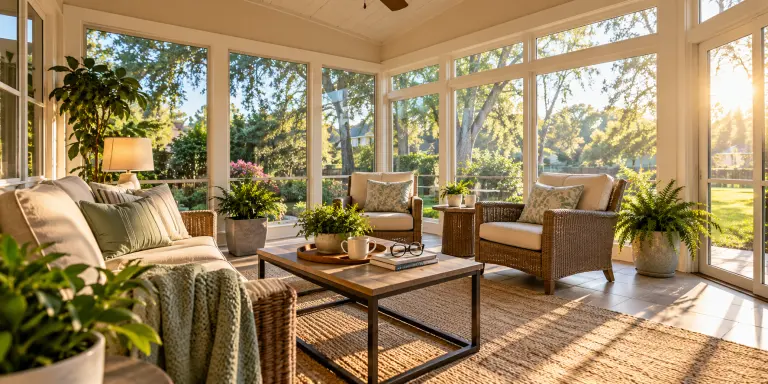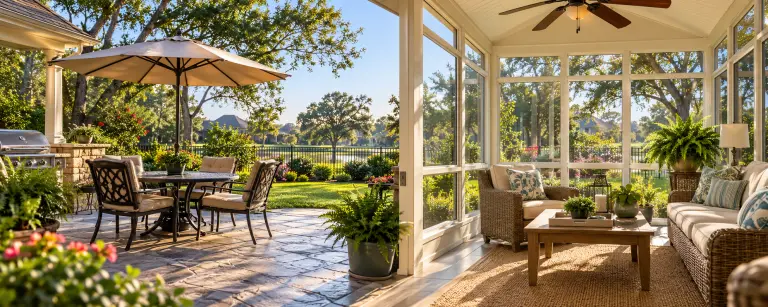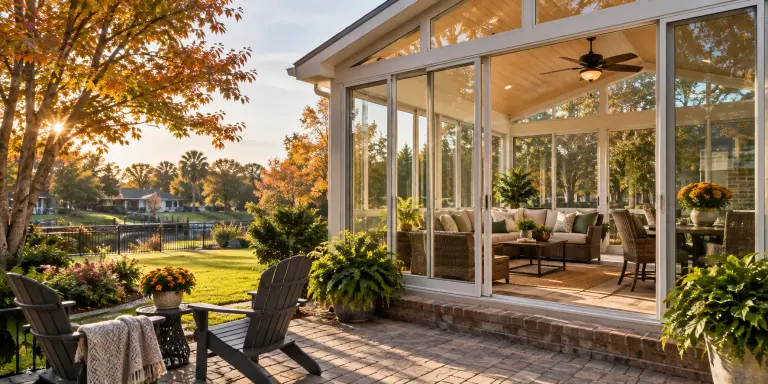
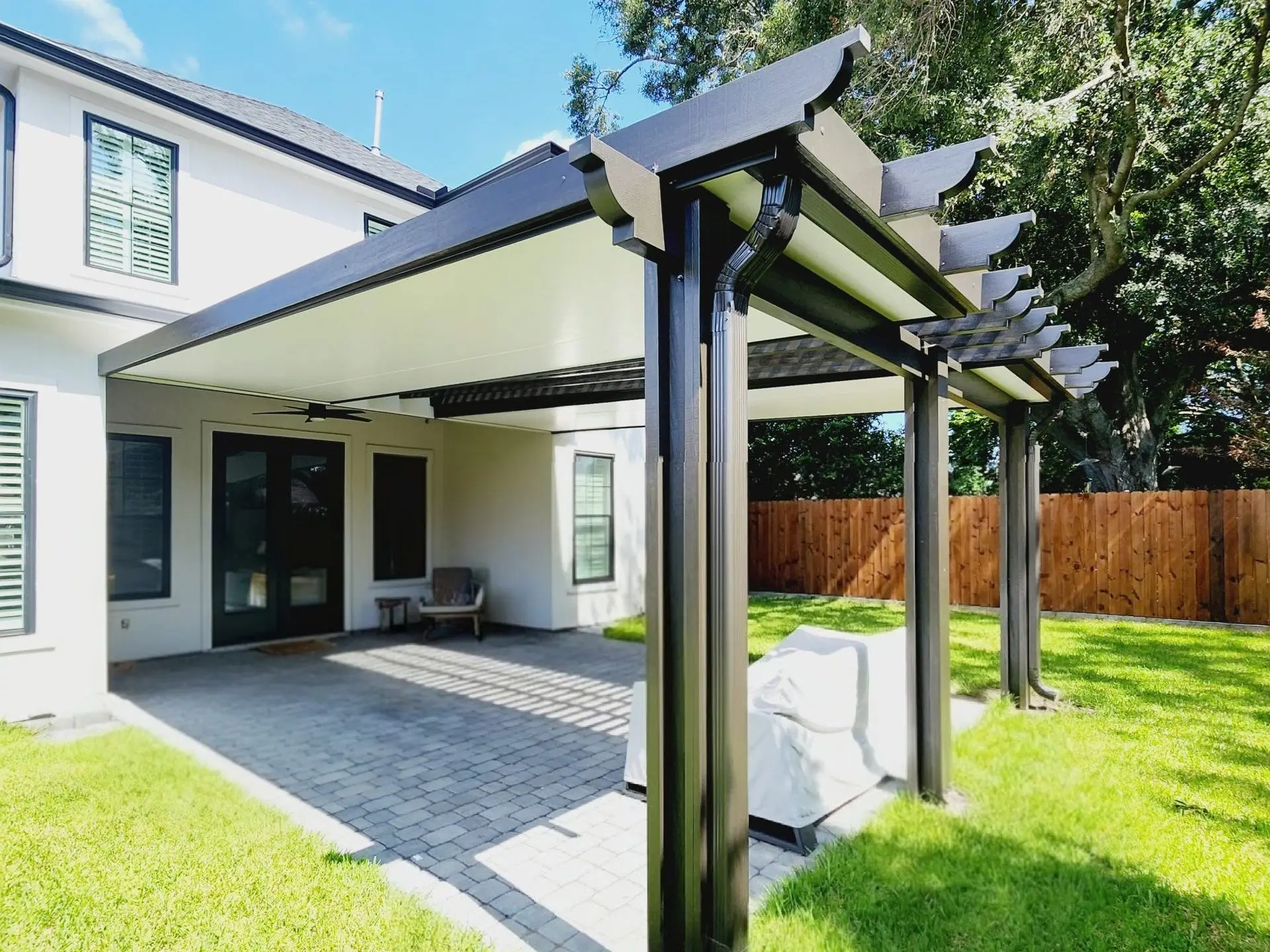
Adding a patio cover is one of the best ways to enjoy your outdoor space in Southeast Louisiana. It provides shade, protects your furniture, and gives you a cooler, more comfortable spot to relax.
But if you’re ready to install one, you’ll need to decide:
Should you build it yourself using a kit—or hire a professional installer?
This guide will walk you through the pros and cons of both options. We’ll compare cost, safety, time, durability, and more—so you can make the best choice for your home.
- Key Takeaways
- What Is a DIY Patio Cover Kit?
- What Is Professional Installation?
- Skill and Time Required
- Safety Matters
- Cost Comparison
- Durability in Louisiana’s Climate
- How It Looks
- Permits and Warranties
- Louisiana Weather and Local Codes
- When DIY Might Be Right
- When to Hire a Professional
- Conclusion: Which Option Is Best for You?
- Frequently Asked Questions (FAQs)
- What is a DIY patio cover kit?
- How much does a DIY patio cover cost?
- Is building a patio cover yourself hard?
- What are the risks of installing a patio cover myself?
- How long does professional patio cover installation take?
- How much does it cost to hire a professional?
- Why is professional installation better for Louisiana?
- Do I need a permit to build a patio cover?
- Will a DIY patio cover last as long as a professionally built one?
- Does Capital Improvement offer repair services?
- Does Capital Improvement use in-house crews?
- How do I schedule a consultation with Capital Improvement?
Key Takeaways
- DIY patio cover kits are more affordable upfront but require time, tools, and building experience. They may also lack durability and visual appeal compared to professionally installed covers.
- Professional installation offers a faster, safer, and more reliable solution. Licensed contractors handle everything—from permits to installation—ensuring code compliance and long-term performance.
- DIY projects carry safety risks such as falls, tool injuries, and structural mistakes, which can lead to costly repairs or failed inspections.
- Louisiana’s climate (high humidity, heavy rain, and hurricanes) makes it important to choose patio covers that are designed and built to withstand harsh weather. Most DIY kits are not made for these conditions.
- Aesthetics and property value are stronger with professional builds. Customization options—like integrated gutters, lighting, and matching finishes—help the structure blend into your home.
- Permits and warranties are the homeowner’s responsibility with DIY. In contrast, professionals provide both permitting support and warranty protection.
- Hire a professional if you want a long-lasting, code-compliant patio cover that’s built quickly and safely, especially if you live in Southeast Louisiana.
- Capital Improvement offers trusted patio cover installation services backed by licensed contractors and a commitment to quality:
“When You Hire Us, We’ll Be There.”
What Is a DIY Patio Cover Kit?
A DIY (do-it-yourself) patio cover kit is a boxed set that includes everything you need to build your own cover—posts, roof panels, screws, and instructions. These kits are sold online and at hardware stores. Most are made from materials like aluminum, vinyl, or plastic.
Kits are made for homeowners who want to save money by building the cover themselves. While some say they’re “easy to install,” most require tools, time, and a good eye for measurements. You may also need to apply for a permit before starting.
What Is Professional Installation?
Professional installation means hiring a licensed contractor to take care of the entire job. This usually includes:
- Measuring and planning
- Helping you choose a design
- Getting the materials
- Handling permits
- Installing the patio cover safely and correctly
This is a great option if you don’t have the time, tools, or building experience. It’s also ideal if you want a long-lasting, worry-free result.
Skill and Time Required
DIY: What You’ll Need
Installing a patio cover on your own requires some building knowledge and the right tools. You’ll need:
- A saw
- A drill
- A ladder
- A measuring tape
- Safety gear
- A helper
Most homeowners spend 2–3 weekends on this project. If you make a mistake—or if the instructions are unclear—it could take longer and become frustrating.
Professional Installation
Hiring a contractor means the job usually takes just 1–2 days. They bring all the tools, have the experience, and know how to get it done right. You won’t have to worry about setup, mistakes, or delays.
Safety Matters
DIY Risks
Installing a patio cover by yourself can be dangerous. Risks include:
- Falls from ladders
- Injuries from power tools
- Dropping heavy materials
Even if you don’t get hurt, improper installation could cause damage later—like roof leaks, tilting posts, or even a collapse during strong winds.
Professional Safety
Licensed contractors follow safety rules and use proper equipment. They’re trained to build sturdy structures and carry insurance in case something goes wrong. This protects you and your property.
Cost Comparison
DIY Kits
DIY kits usually cost $1,000–$4,000, depending on the size and material. But that’s not the total price. You may also need to spend money on:
- Tool purchases or rentals
- Delivery fees
- Extra parts
- Repairs if something breaks or goes wrong
And don’t forget—your time has value too.
Professional Installation
Hiring a contractor typically costs $4,000–$10,000 or more, depending on size and materials. But this price usually includes:
- Labor
- Materials
- Permits
- Cleanup
- Warranty coverage
You’re not just paying for the job—you’re paying for speed, peace of mind, and a better finished product.
Durability in Louisiana’s Climate
DIY Kits: Shorter Lifespan
Many DIY kits are made from lighter, thinner materials. Over time, they may:
- Warp in the sun
- Rust from humidity
- Leak where panels connect
- Struggle in high winds
That’s a big concern in our area, where strong storms are common.
Professional Builds: Built to Last
Professional patio covers are made with stronger materials and better support systems. They’re designed to handle:
- Heavy rain
- High winds
- Strong sun
With proper installation, a professionally built cover can last 20 years or more with little maintenance.
How It Looks
DIY Appearance
DIY kits come in limited colors and sizes. If the installation isn’t perfect, the cover can look uneven or out of place. It might not match your home’s design or add much curb appeal.
Professional Appearance
A professional can build a patio cover that matches your home in style and color. They can also add features like:
- Lighting
- Ceiling fans
- Built-in gutters
These extras create a more comfortable and polished outdoor space.
Permits and Warranties
DIY Responsibility
You’re responsible for getting permits if they’re required. If you skip this step, you could be fined or asked to remove the structure.
Most kits offer limited product warranties—but they don’t cover installation mistakes. If something goes wrong, it’s on you.
Professional Protection
Professional contractors handle the permits and follow local building codes. Most also offer warranties on both materials and labor, so you’re covered if anything needs fixing later.
Louisiana Weather and Local Codes
Living in Southeast Louisiana means dealing with hot, humid days, heavy rain, and stormy weather. That’s why your patio cover needs to be strong and code-compliant.
Contractors who work in Metairie, New Orleans, and surrounding areas understand:
- Local building codes
- Wind zone ratings
- Proper water drainage
- Flood zone rules
Most DIY kits are not designed for this level of detail—and making them meet code can be tricky and expensive.
When DIY Might Be Right
A DIY patio cover could be a good fit if:
- You have building experience
- You already own the tools
- You’re on a tight budget
- You’re building a smaller or temporary structure
- You enjoy weekend projects
Just make sure to follow safety instructions and check your local permit rules before you start.
When to Hire a Professional
Professional installation is the better choice if:
- You want the job done fast and right
- You care about how it looks
- You want it to last for many years
- You don’t want to deal with permits or inspections
- You live in a storm-prone area
If you’re planning to sell your home in the future, a professionally installed patio cover can also increase its value and make it more attractive to buyers.
Conclusion: Which Option Is Best for You?
Both DIY kits and professional installation have their pros and cons.
If you’re handy, have time, and want to save money, a DIY kit might work for you. But it also means taking on the risks, tools, time, and stress of doing it all yourself.
If you want a safe, attractive, and long-lasting result—with no hassle—hiring a professional is the smarter choice. You’ll get a patio cover that’s made for your home, built for local weather, and approved by your city or parish.
At Capital Improvement, we make it easy. We specialize in new patio cover installations only—no repairs, and no in-house labor. We work with licensed contractors who build strong, reliable covers designed for the Gulf Coast climate.
And we stand by our promise:
“When You Hire Us, We’ll Be There.”
???? Call Capital Improvement today at 504-733-5722
???? Or visit https://capitalimprovement.com/contact/ to schedule your free consultation.
We’ll help you enjoy the outdoors—rain or shine.
Frequently Asked Questions (FAQs)
What is a DIY patio cover kit?
A DIY patio cover kit is a boxed set that includes the materials and instructions to build a patio cover yourself. These kits are sold online or in home improvement stores and usually include posts, roof panels, and screws.
How much does a DIY patio cover cost?
Most kits range from $1,000 to $4,000, depending on size and materials. But you may also need to spend money on tools, delivery, extra parts, and possible repairs if mistakes happen.
Is building a patio cover yourself hard?
It can be, especially if you don’t have experience using tools or building things. You’ll need time, patience, and some skill. Most people need 2–3 weekends to finish the job.
What are the risks of installing a patio cover myself?
You could fall, get injured using power tools, or install the cover incorrectly. Mistakes can cause leaks, damage to your home, or make the structure unsafe during storms.
How long does professional patio cover installation take?
Most professional installers can complete the job in 1 to 2 days, depending on the size and complexity of the project.
How much does it cost to hire a professional?
Professional patio cover installation typically costs $4,000 to $10,000 or more, depending on size, materials, and design features.
Why is professional installation better for Louisiana?
Southeast Louisiana has heavy rain, high humidity, and strong winds. Professional builders use stronger materials and know how to meet local building codes, making the cover safer and longer-lasting.
Do I need a permit to build a patio cover?
Yes, in most cases. Local cities and parishes often require a building permit. With DIY kits, you have to apply for the permit yourself. Professionals usually handle permits for you.
Will a DIY patio cover last as long as a professionally built one?
Not usually. DIY kits use lighter materials and may not hold up well in bad weather. A professionally built cover can last 20 years or more with proper care.
Does Capital Improvement offer repair services?
No. Capital Improvement focuses only on new installations, not repairs. We build patio covers, screen rooms, carports, gutters, and more—but we do not fix existing structures.
Does Capital Improvement use in-house crews?
No. All our installations are completed by licensed contractors, not in-house employees. This ensures expert workmanship and reliable service.
How do I schedule a consultation with Capital Improvement?
???? Call us at 504-733-5722
???? Or visit: https://capitalimprovement.com/contact/
This article has been a collaboration between Capital Improvement and OpenAI’s ChatGPT. Created on Oct 14, 2025, it combines AI-generated draft material with Capital Improvement’s expert revision and oversight, ensuring accuracy and relevance while addressing any AI limitations.